Safety First: Drone-Powered Analysis for Safer School Zones Research
The Safety First: Drone-Powered Analysis for Safer School Zones and Active Stakeholder Engagement project is a collaboration between the University of the Philippines National Center for Transportation Studies (UP NCTS) and the Hasselt University – Transportation Research Institute (IMOB). Spearheaded by the Road Safety and Research Laboratory (RSRL) under the Traffic Engineering and Management (TEM) group of UP NCTS, the project focuses on strengthening road safety assessment around school zones through the integration of drone-based data collection and analysis with the iRAP Star Rating for Schools (SR4S) methodology. It also includes capacity-building activities such as training programs and learning sessions, alongside the establishment of a Community of Learning and Practice (CoLP) for local government units, schools, and other project stakeholders.
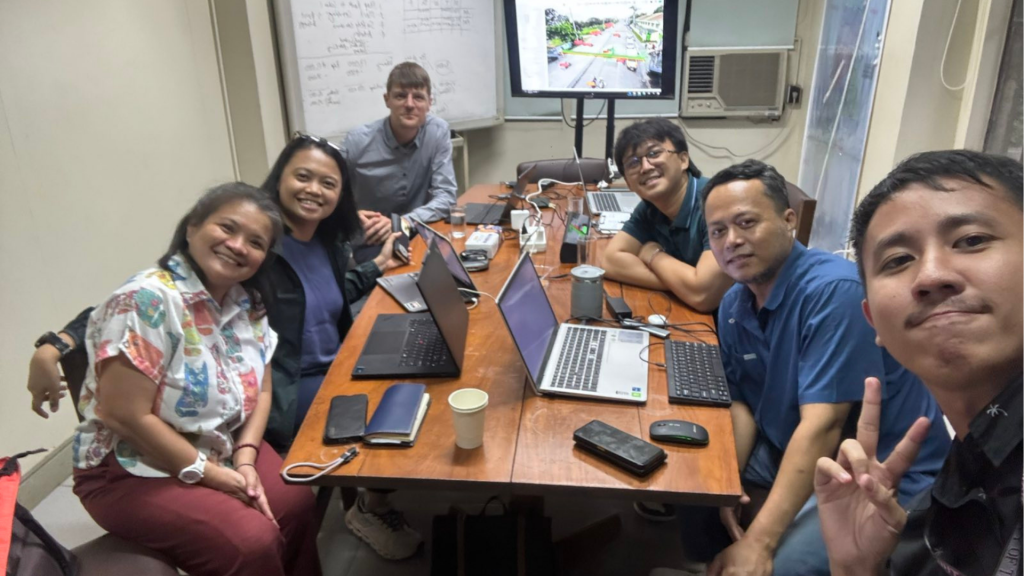
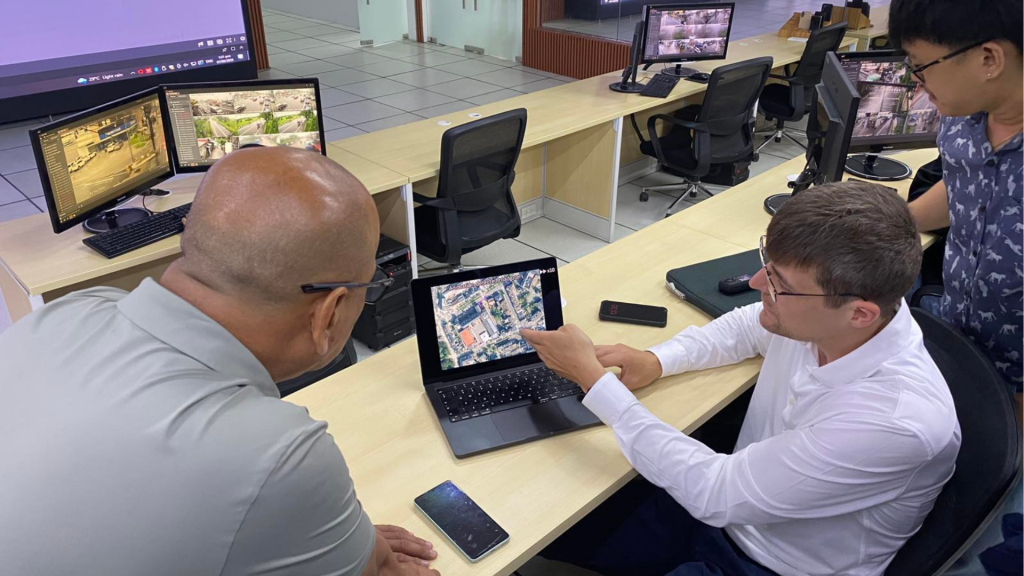
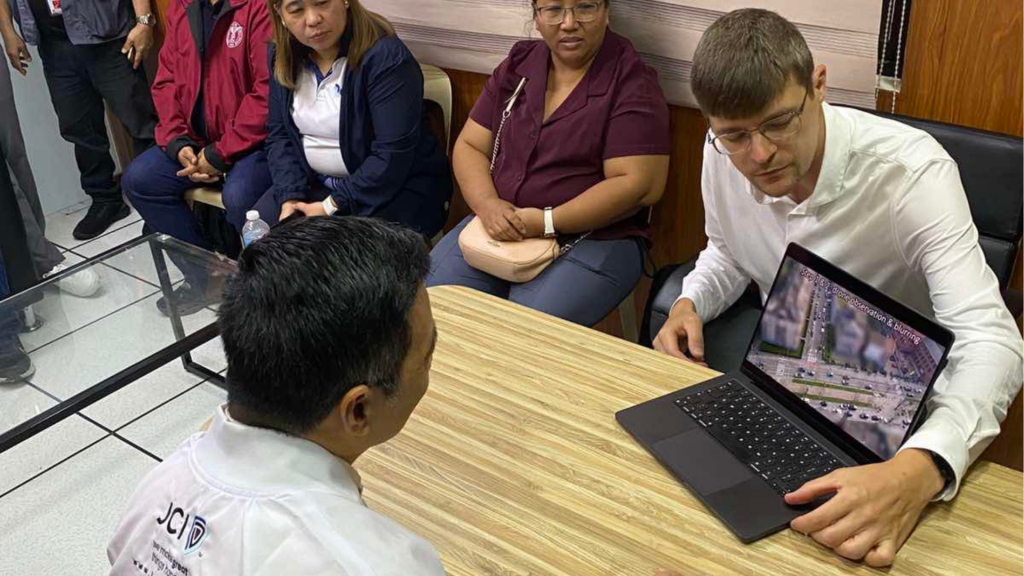
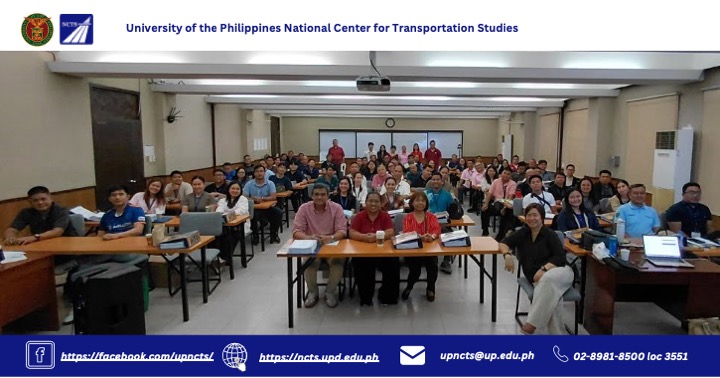
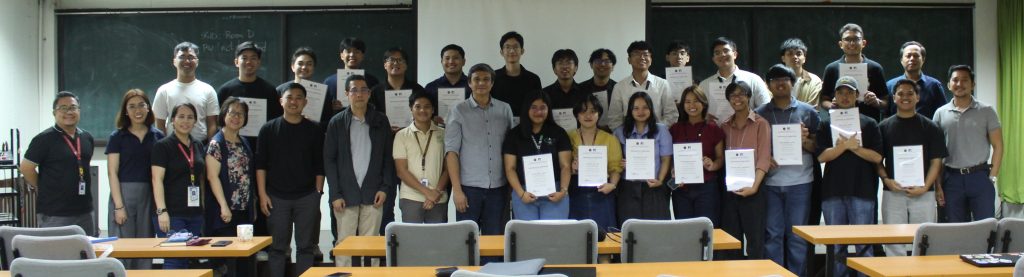
The Safety First project team recently welcomed Asst. Prof. Wim Ectors of Hasselt University for a week of project activities and knowledge exchange. During his stay in the Philippines, Asst. Prof. Ectors shared ideas and technical insights with the project team on drone-based data collection and analysis. These activities also included a free Drone Learning Session which provided an opportunity to share knowledge on the use of drones in road safety research. The session and discussions provided an opportunity to exchange perspectives on drone methodology, field data collection, and how aerial data can contribute to understanding and assessing road safety around schools.
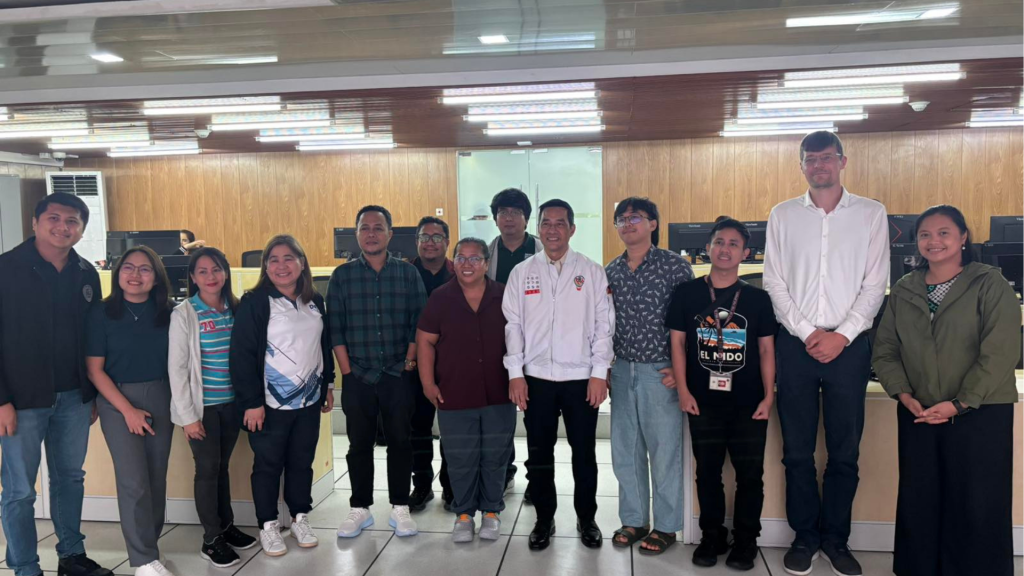
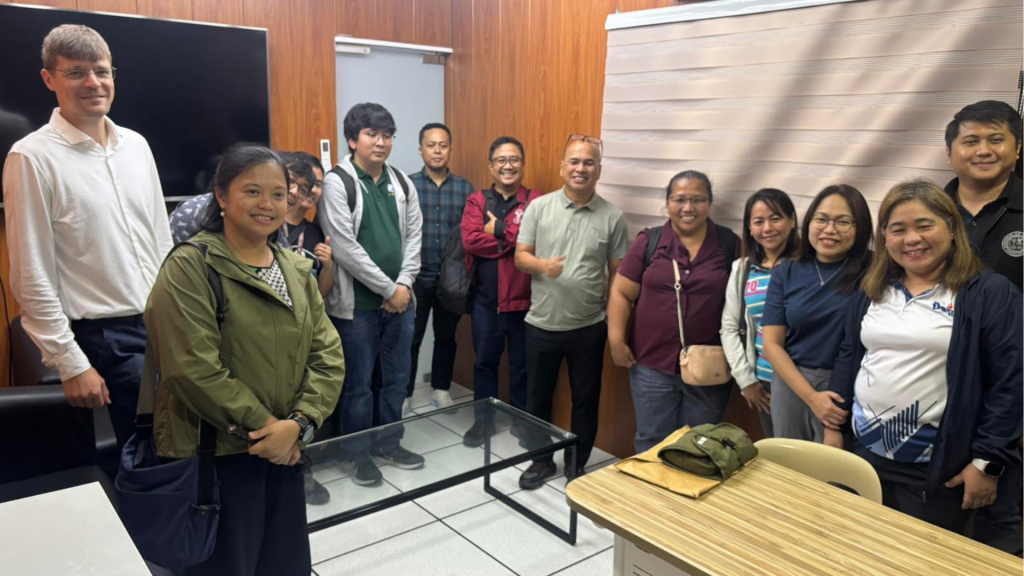
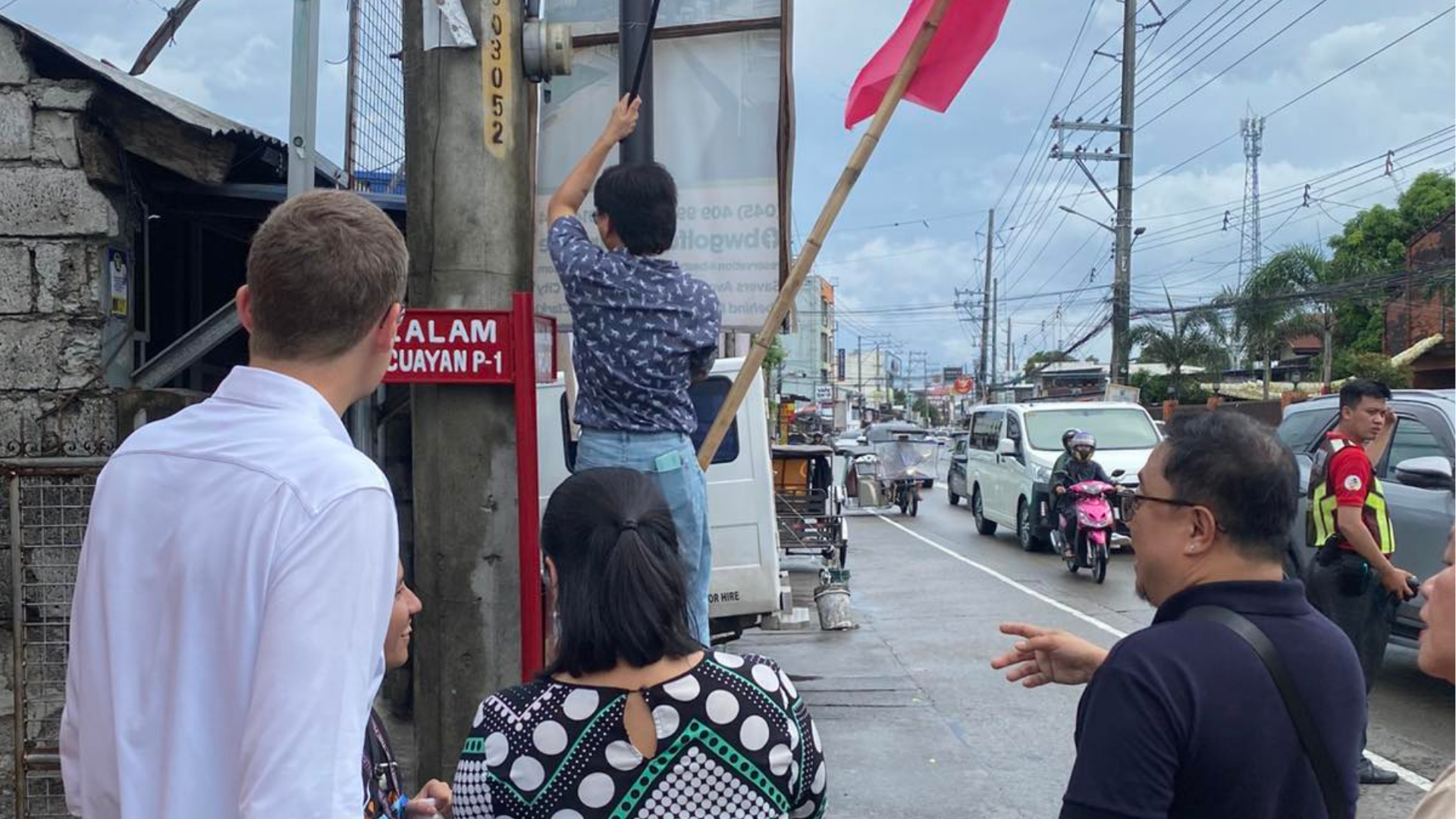
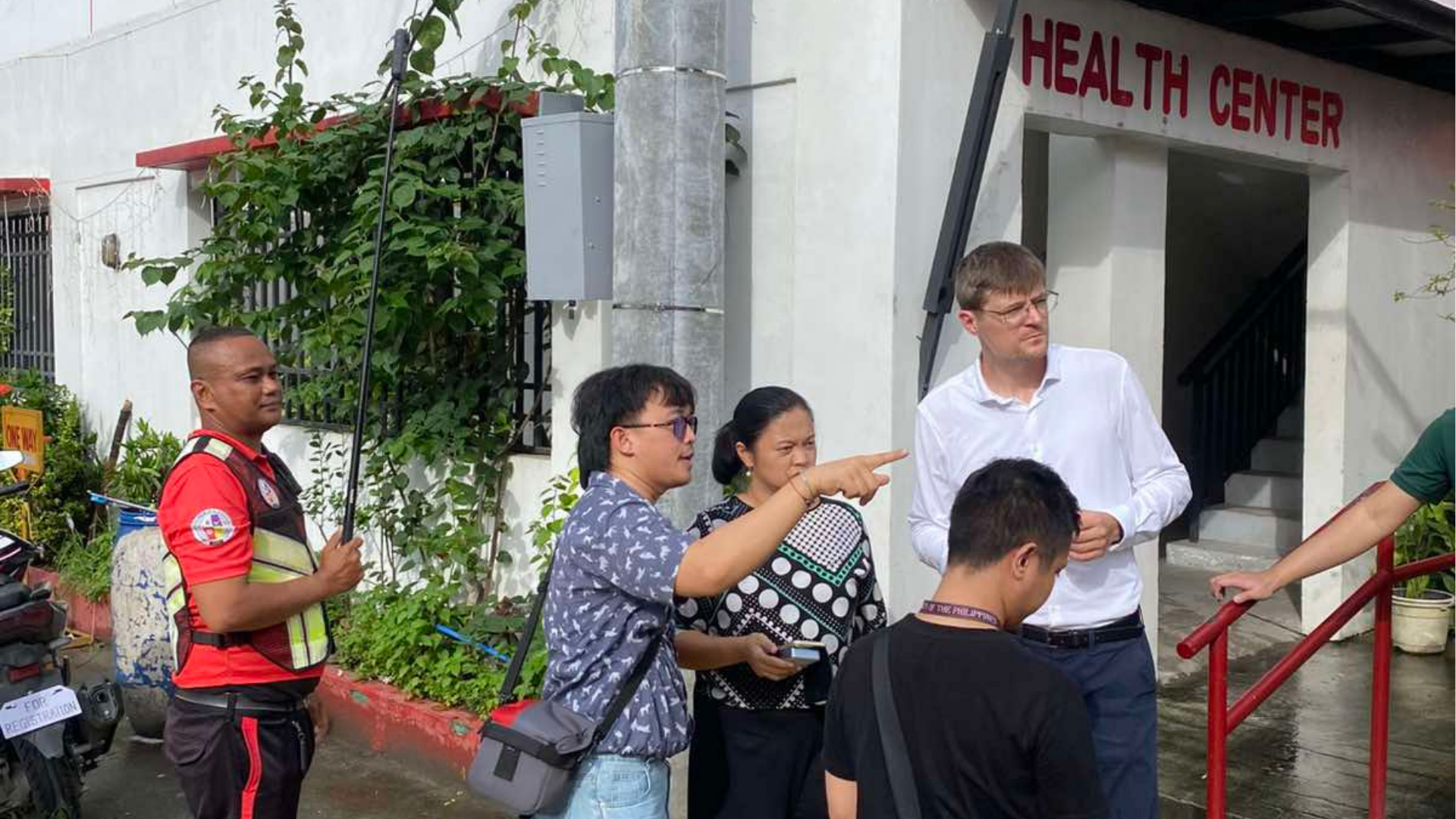
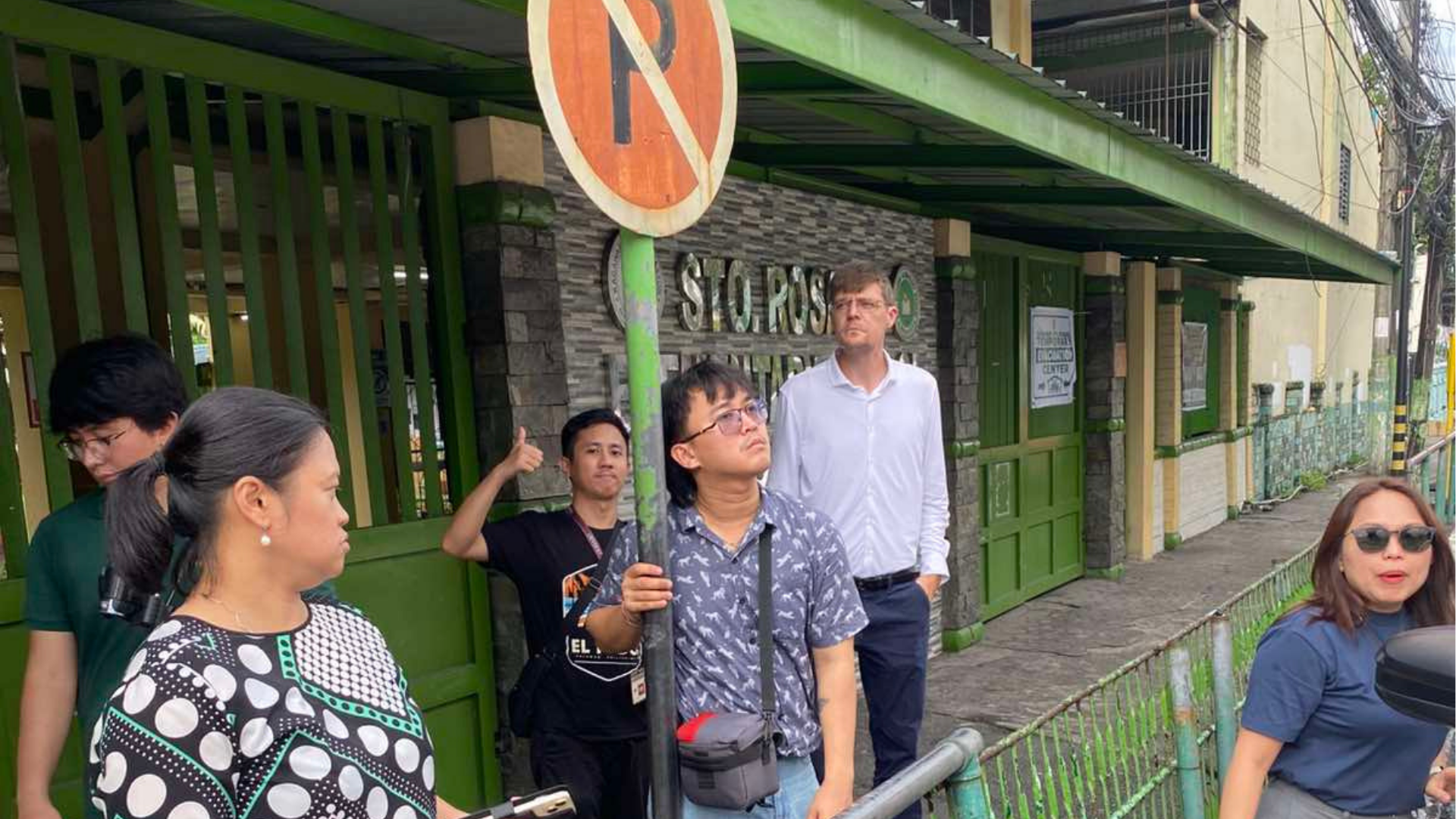
Alongside these knowledge-sharing sessions, the project team also conducted a site visit to one of its partner cities, Angeles City. The visit provided a practical setting to complement the team’s discussions and technical preparations. Despite weather-related adjustments to the original August 6–7 schedule, the team proceeded with the visit on August 7, meeting with local partners and conducting ocular visits at five identified pilot schools. The team assessed site conditions, surrounding road environments, and potential locations relevant to the succeeding data collection activities.
While drone deployment was not feasible during the Angeles visit, the team used the field activity to strengthen site familiarity and prepare for the next stage of data collection.
Asst. Prof. Ectors’ visit provided the project team with an opportunity to exchange technical knowledge, discuss approaches to drone-based road safety assessment, and prepare for upcoming field activities. The combination of discussions at UP NCTS and the site visit in Angeles City helped move the project forward, particularly in preparing the team and its partners for the succeeding phases of data collection and implementation.
General Trias Pilot Data Collection
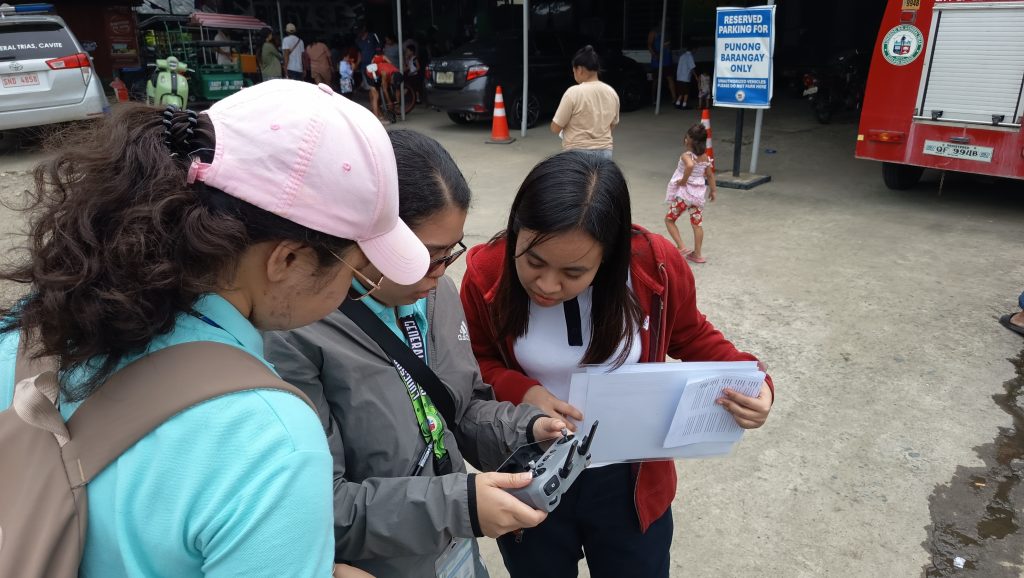
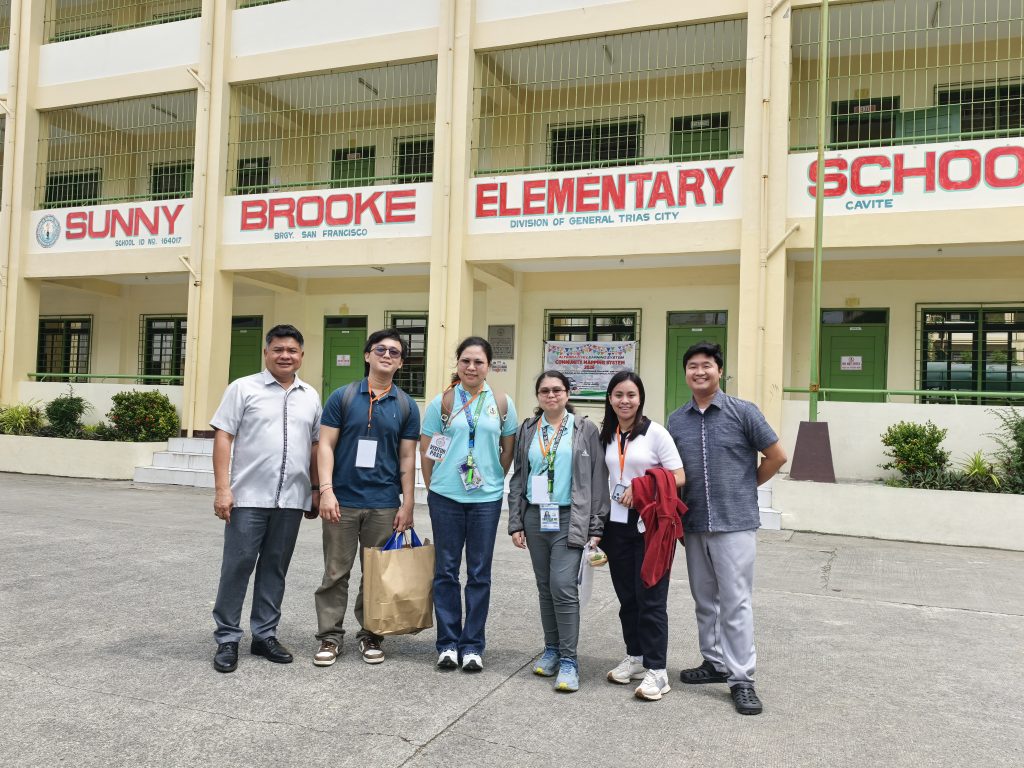
On August 25, 2026, the team proceeded with drone data collection at Sunny Brooke Elementary School in General Trias City, Cavite. Two drone video recordings were taken under fair weather conditions. The data collection was conducted during the school’s transition period, covering the dismissal of the morning sessions and the arrival of the afternoon sessions. This period provided an opportunity to capture the movement and surrounding conditions of the school zone during a significantly active time of the school day.
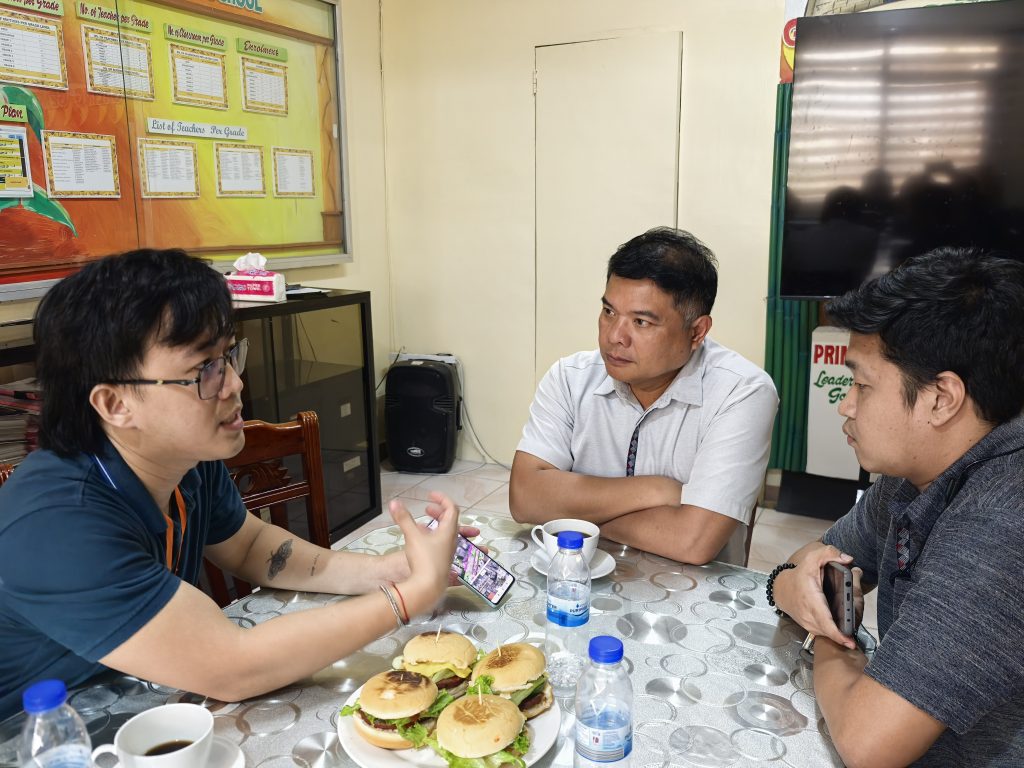
Following the data collection, the team held a brief courtesy meeting with the school principal and a DRRM personnel. The discussion covered the objectives of the Project, its potential impact on school zone road safety, and how the project’s output may contribute to longer-term efforts toward safer school environments. This meeting also allowed the team to hear from the school and discuss how the project could be relevant to its existing road safety and disaster risk reduction efforts.
Overall, the visit served as both a data collection activity and an opportunity to strengthen coordination with the local partners. The visit also provided the team with a clearer process for succeeding data collection activities, from coordinating with the involved stakeholders to preparing for the actual fieldwork.
Building on these activities, the team looks forward to visiting its other partner cities—Antipolo City, Naga City, and Cagayan de Oro City—to strengthen collaboration and preparations for upcoming project activities.