 The anniversary celebration brought together leaders and experts from academe, government, and industry to explore artificial intelligence, logistics challenges, and collaborative research opportunities toward a more efficient and sustainable Philippine transportation system.
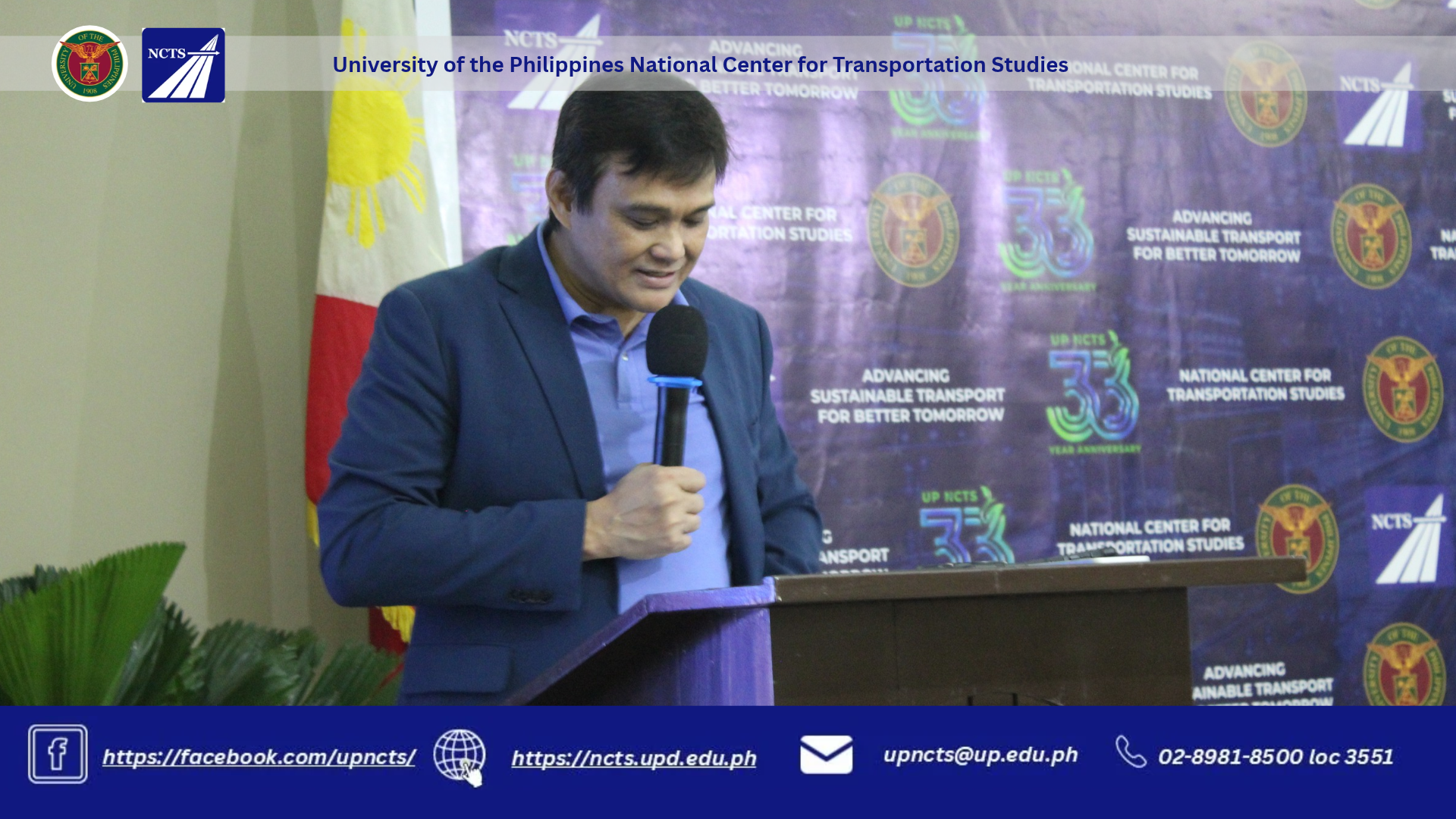
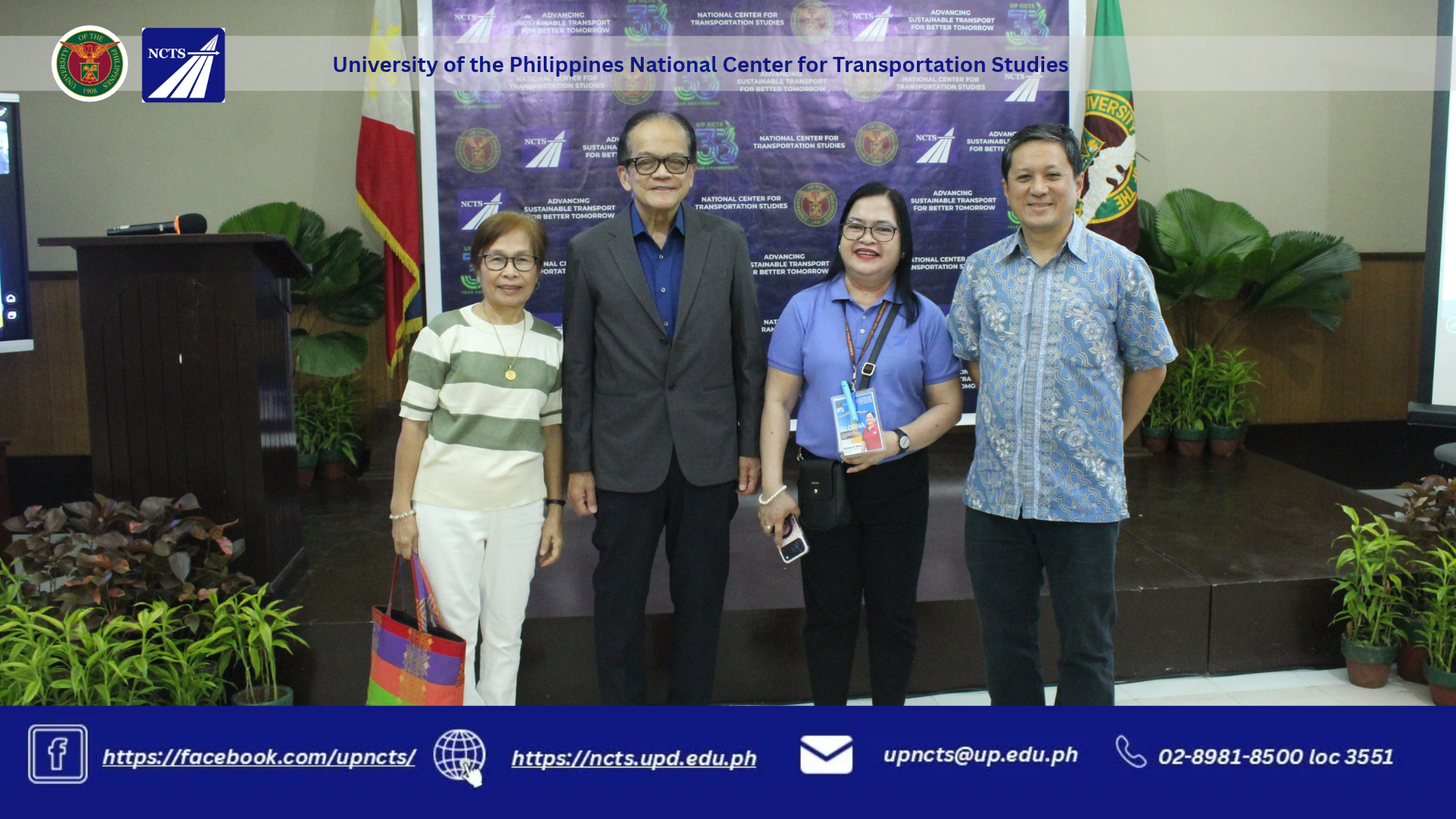
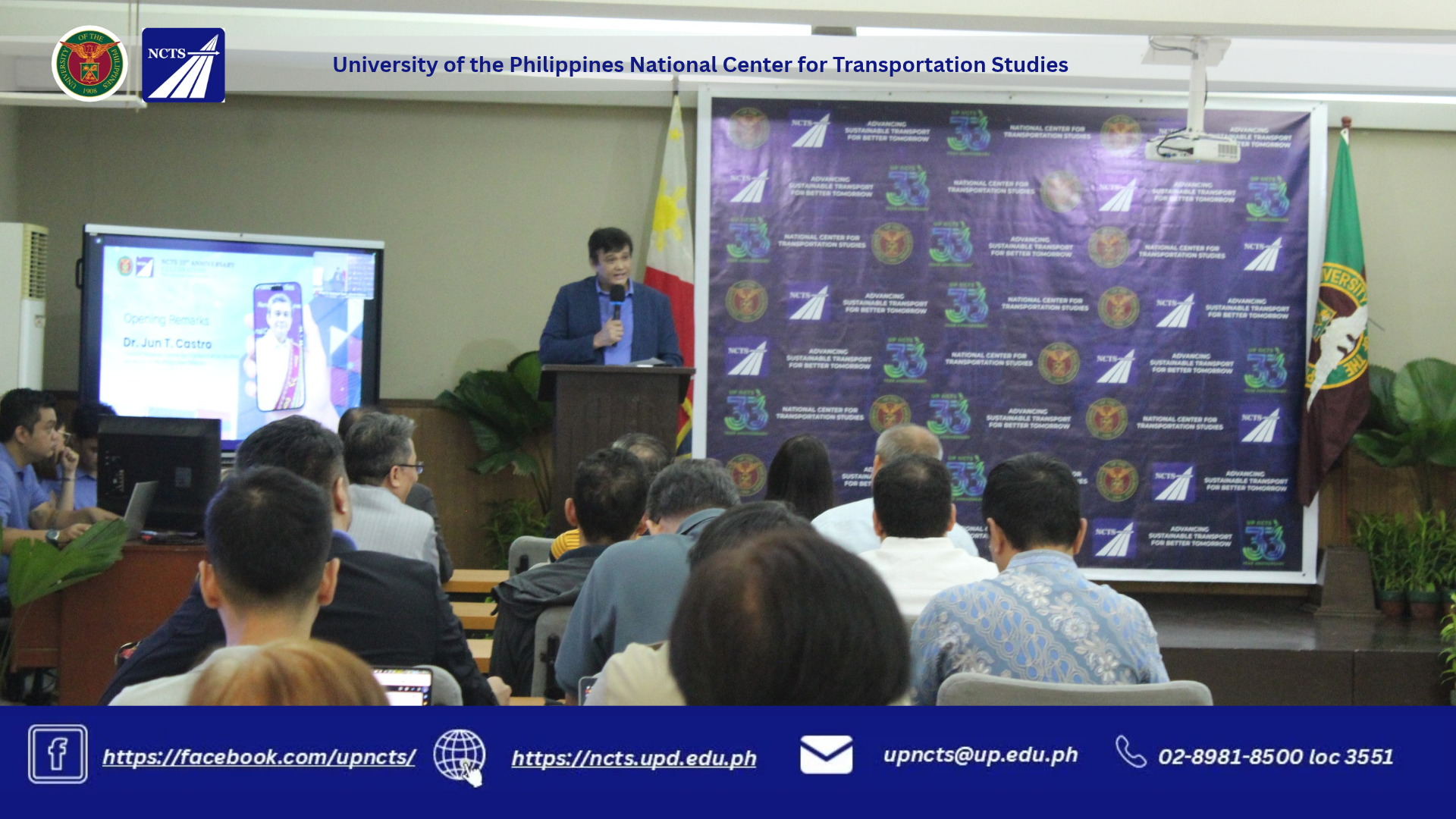
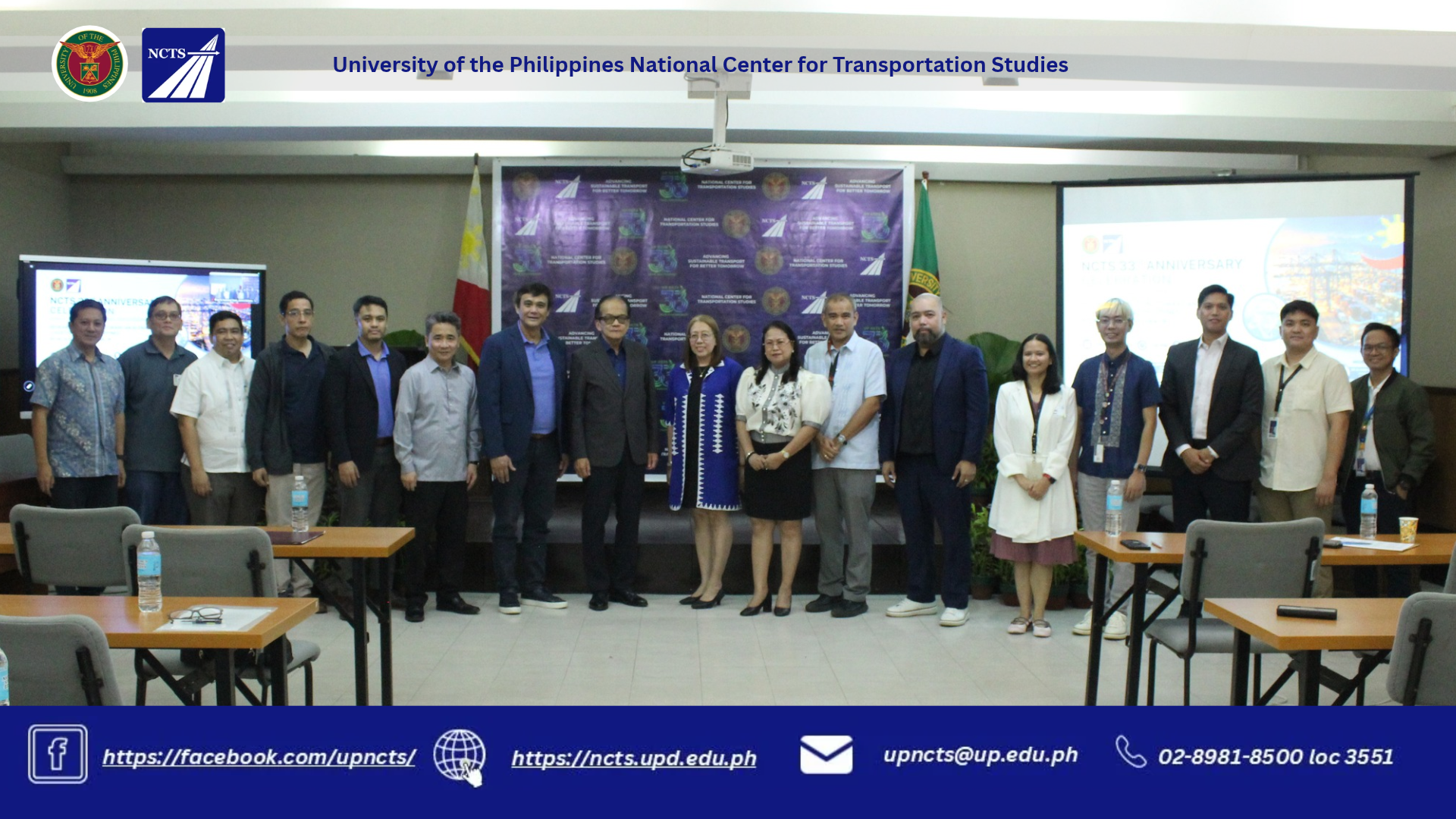
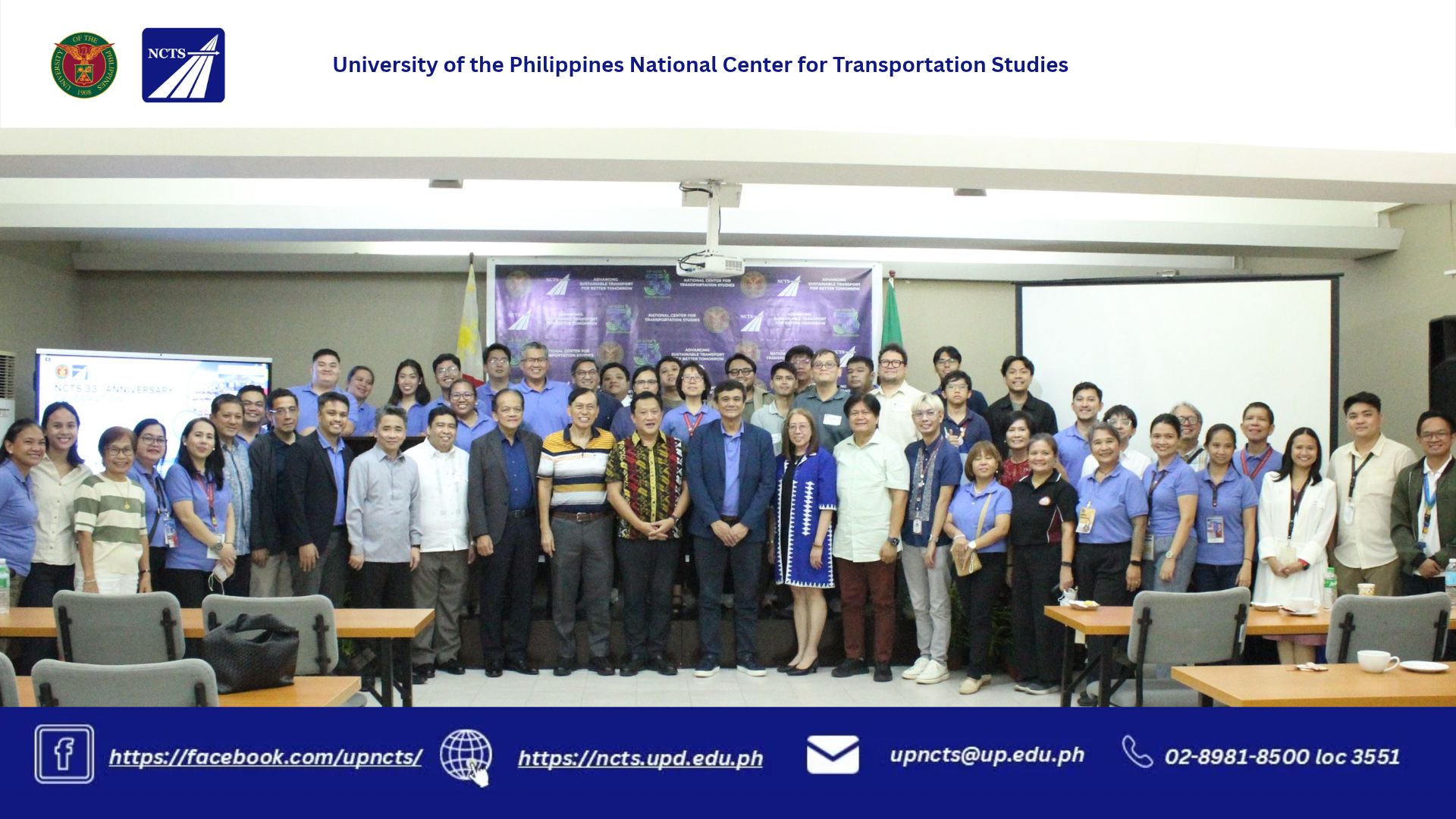
The University of the Philippines National Center for Transportation Studies (UP NCTS) celebrated its 33rd anniversary on November 9, 2026, at the NCTS Toyota Training Room, UP Diliman, Quezon City, reaffirming its commitment to advancing transportation research, education, capacity development, and policy innovation in the Philippines.
The celebration featured a public lecture on “Research Directions Toward an AI-Enabled Logistics in the Philippines,” followed by a panel discussion on “Collaboration Among Academe, Government, and Industry in Advancing Logistics Innovation.” The event provided a platform for researchers, policymakers, industry practitioners, and other stakeholders to exchange perspectives on emerging technologies and opportunities for improving the country’s logistics sector.
On Advancing Research Toward AI-Enabled Logistics
The highlight of the program was a public lecture delivered by Dr. Olegario G. Villoria, Jr., Founder and Chief Data & Analytics Officer of ogvSCAnalytics, who presented a comprehensive overview of the challenges confronting Philippine logistics and identified potential research directions for harnessing artificial intelligence (AI), machine learning, and advanced analytics.
Dr. Villoria discussed the country’s persistently high logistics costs, citing estimates placing these at 27.5% of gross domestic product, among the highest in Southeast Asia. He examined how the Philippines’ archipelagic geography, fragmented inter-island transportation networks, port congestion, underutilized freight capacity, regulatory complexities, and limited digital integration contribute to logistics inefficiencies.
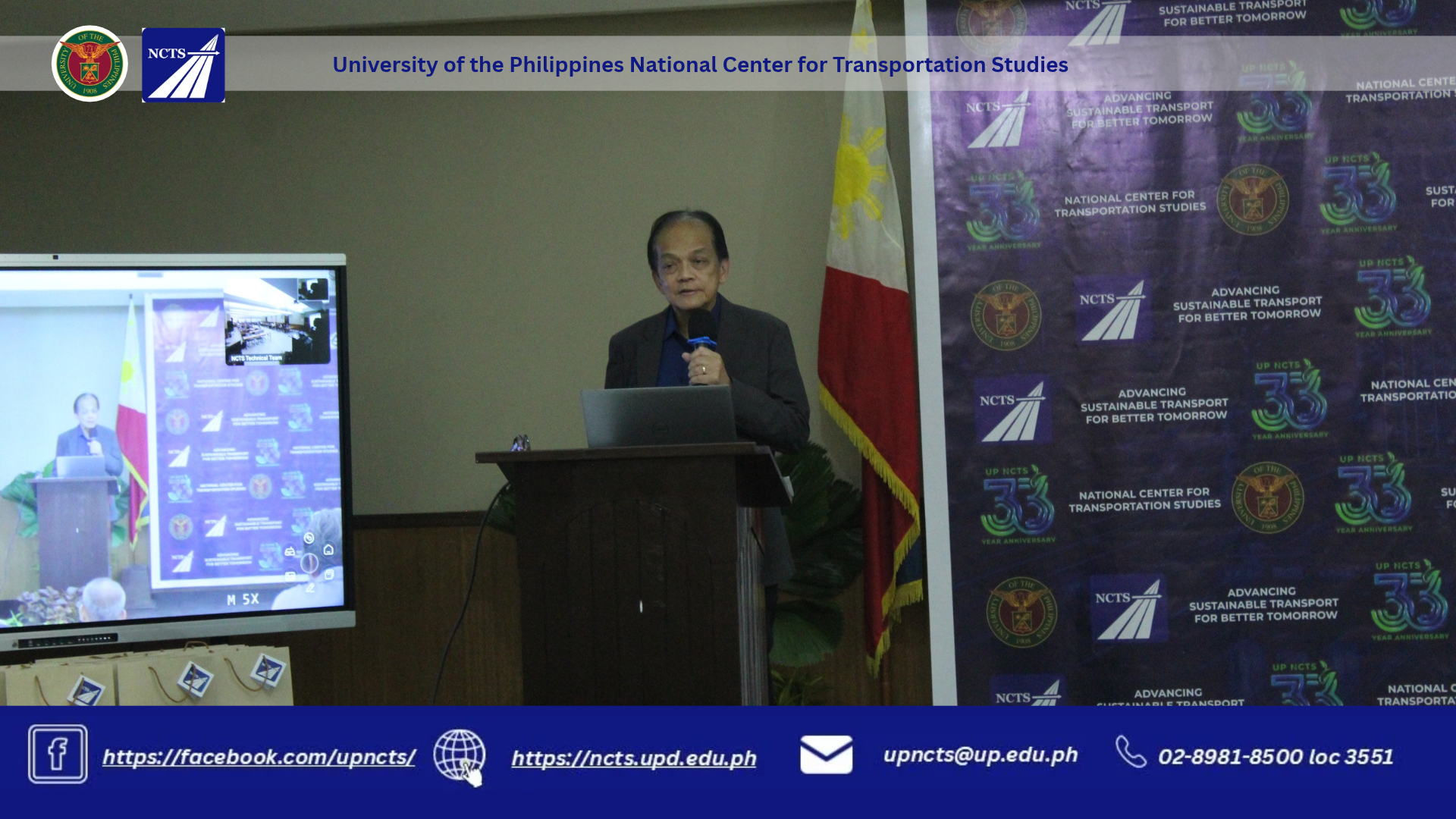
The lecture also explored the growing applications of AI in supply chain management, including demand forecasting, logistics network optimization, intelligent routing, warehouse operations, predictive maintenance, and automated decision support. Particular attention was given to emerging approaches such as agentic AI, digital twins, and the integration of machine learning with operations research to address complex logistics challenges.
Building on these discussions, Dr. Villoria outlined eight proposed research directions for advancing AI-enabled logistics in the Philippines: data commons; demand sensing and forecasting; logistics network design; cold-chain systems; port planning and operations; transport and sustainability; fairer market structures; and trustworthy AI.
Among the proposed priorities was the development of a shared and standardized logistics data ecosystem to improve information availability, interoperability, and coordination across government agencies and industry stakeholders. The lecture identified research opportunities involving digital shipment tracking, improved data collection, common information standards, and appropriate data-sharing and governance frameworks.
Other proposed research areas included AI-assisted freight matching to reduce empty truck movements, predictive models for port congestion and vessel scheduling, resilient inter-island logistics networks, and intelligent cold-chain systems to minimize post-harvest losses. The lecture also examined opportunities to apply AI in reducing transport emissions, strengthening logistics resilience against disruptions, and supporting evidence-based regulatory decisions.
Importantly, the presentation identified reliable data, digital integration, clear operational objectives, appropriate governance, institutional capacity, and adequate physical infrastructure as essential prerequisites for effective AI adoption.
In essence, the lecture presented a research-oriented framework for addressing the country’s logistics challenges through technological innovation, coordinated policy development, and collaboration among academe, government, and industry.
Cultivating Collaboration Among Academe, Government, and Industry
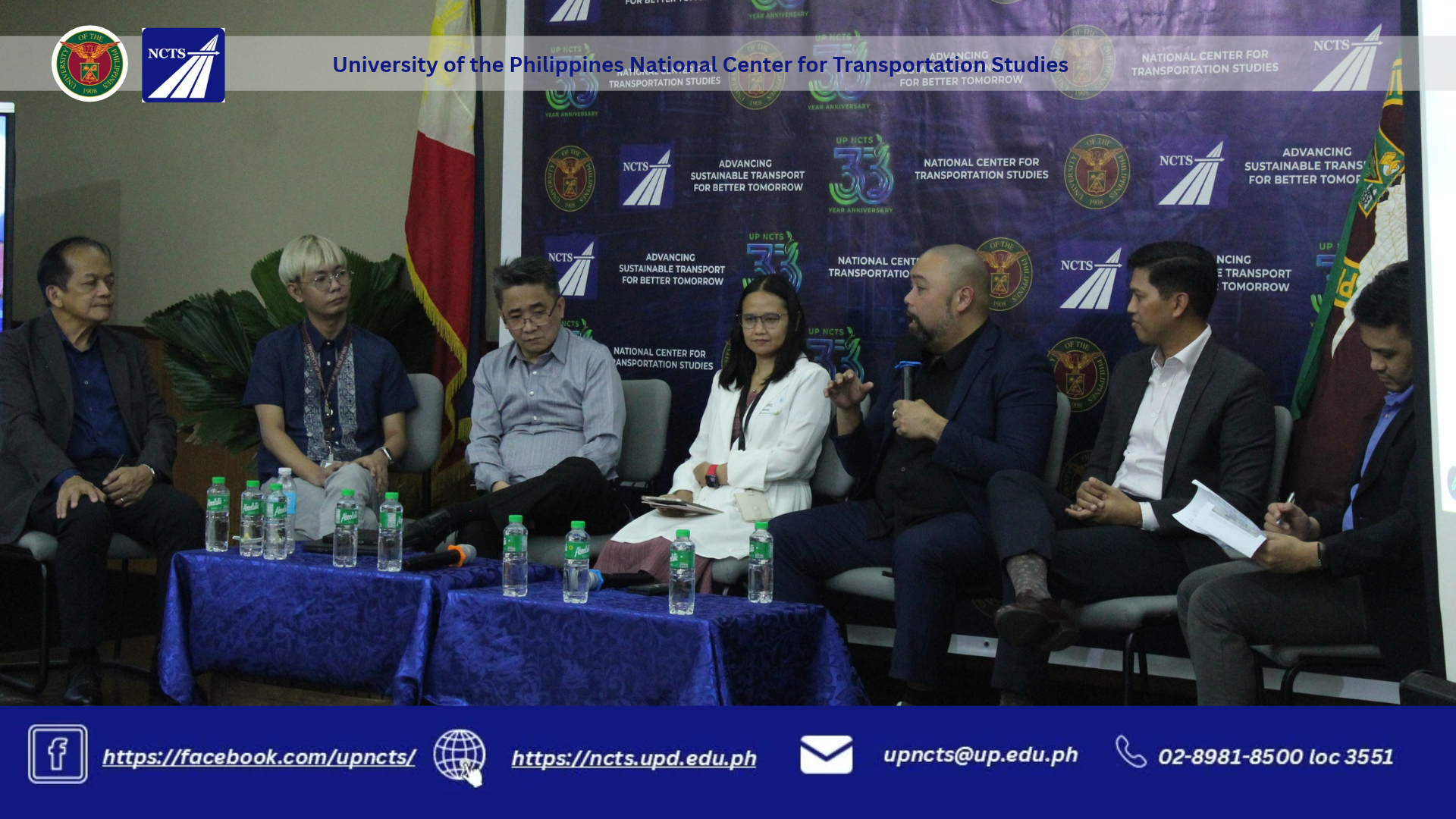
Following the lecture, a panel discussion on “Collaboration Among Academe, Government, and Industry in Advancing Logistics Innovation” gathered distinguished representatives from national government agencies, academic institutions, professional organizations, and private enterprises.
The panel featured Engr. Roderick M. Planta, Assistant Secretary of the Department of Economy, Planning, and Development (DEPDev); Mr. Pierre Carlo Curay, President of the Supply Chain Management Association of the Philippines (SCMAP); EnP. Rachel R. Habana, Chief Science Research Specialist of the DOST Philippine Council for Industry, Energy and Emerging Technology Research and Development (PCIEERD); Dr. Enrico C. Paringit, Professor and Associate Dean for Public Engagement of the UP Diliman College of Engineering; and Dr. John Justine Villar, Professor and Department Chair of the UP Diliman Department of Computer Science.
Also joining the discussion were Dr. Olegario G. Villoria, Jr., Founder and Chief Data & Analytics Officer of ogvSCAnalytics; and Mr. Manolo Steven M. Ona, President and Chief Executive Officer of QPAX Traffic Systems Inc.
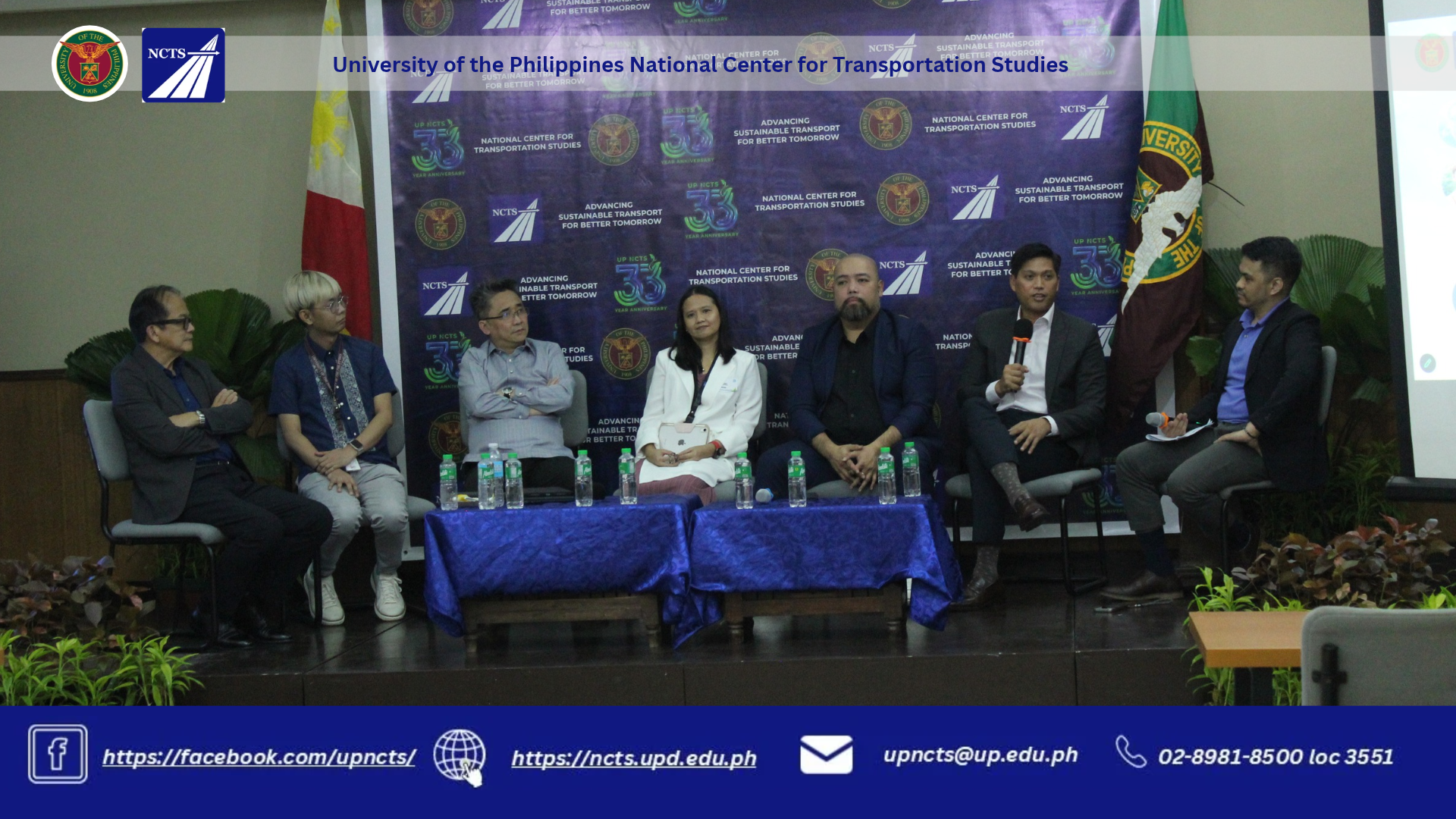
The discussion was moderated by Dr. Al Hanz Seiji Lidasan, Assistant Professor at the UP School of Urban and Regional Planning.
The panel provided an opportunity to examine how collaborative research, technological development, institutional coordination, and policy support can contribute to logistics innovation. The multidisciplinary representation reflected the importance of connecting academic expertise with government priorities and industry experience in developing practical and scalable solutions to transportation and logistics challenges.
Celebrating Institutional Milestones and Partnerships
The anniversary program also featured inspirational messages from university officials, including Dr. Karen Ann B. Jago-on, Assistant Vice President for Land Use Planning and Development of the UP System; Dr. Dina C. Magnaye, Dean of the UP School of Urban and Regional Planning; and Dr. Enrico C. Paringit, Associate Dean for Public Engagement of the UP Diliman College of Engineering.
A special message was also delivered by Atty. Angelo A. Jimenez, President of the University of the Philippines System.
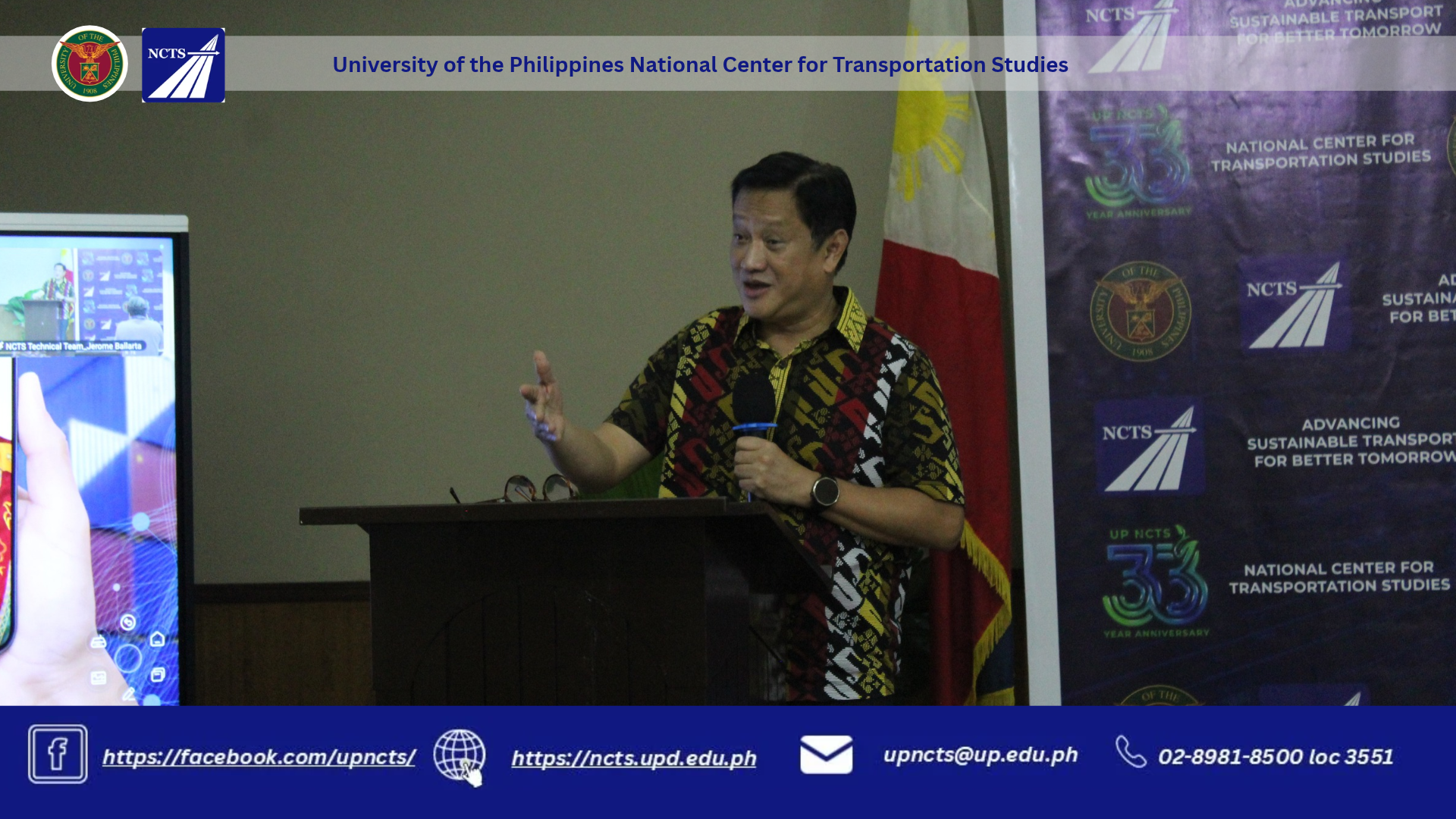
The anniversary celebration provided an occasion to recognize the Center’s continuing contributions to transportation research, professional education, technical capacity development, and public service, as well as its partnerships with institutions and stakeholders across the transportation sector.
Engaging a Diverse Transportation Community
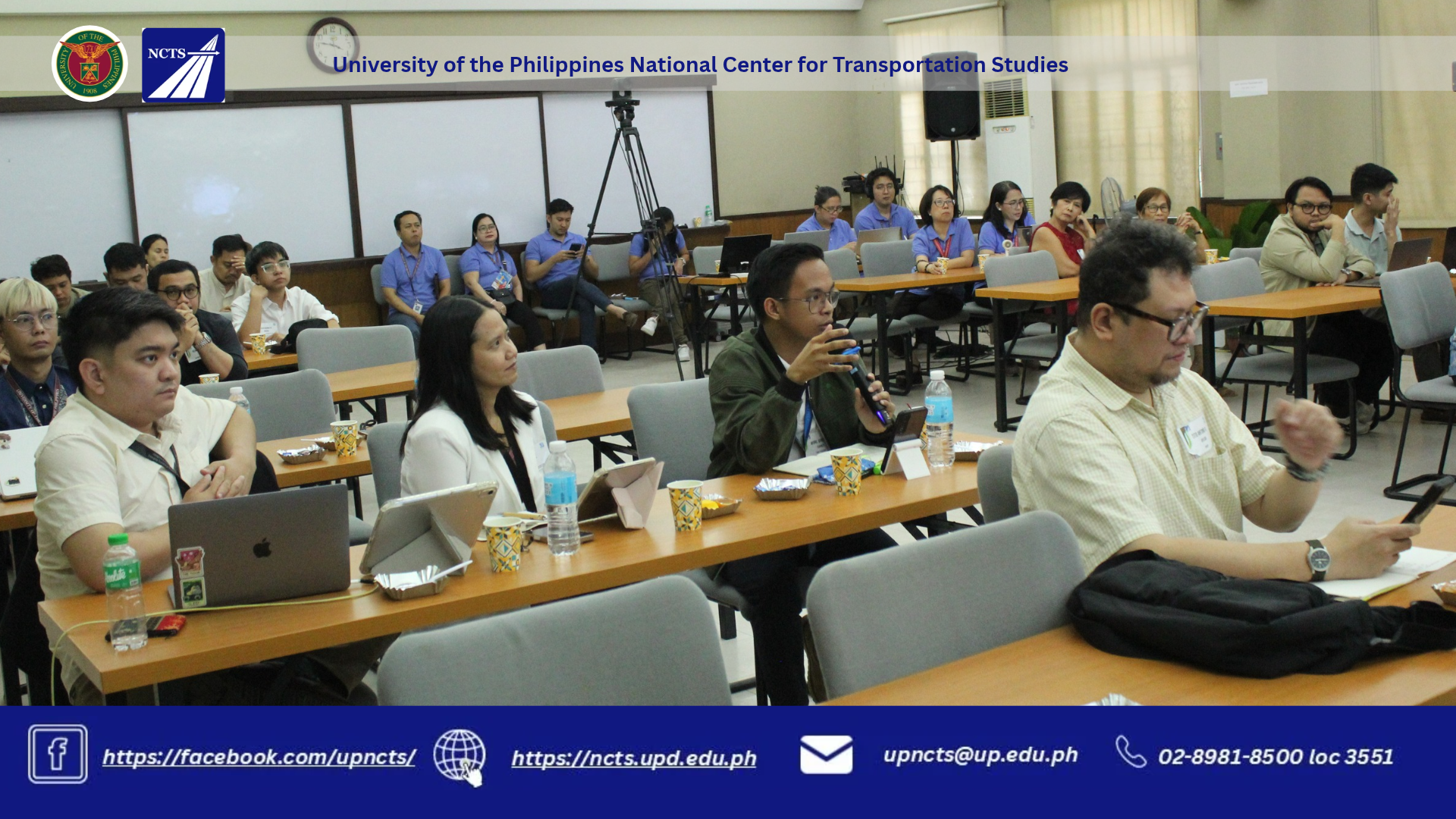
The event gathered participants from government, academe, industry, and professional organizations, including representatives from San Miguel Holdings Corporation, UP School of Urban and Regional Planning, NCTS Intelligent Transportation Systems Laboratory, Department of Science and Technology, local government Department of Public Order and Safety, UP Diliman Extension Program, UP Institute of Civil Engineering, and Transportation Science Society of the Philippines.
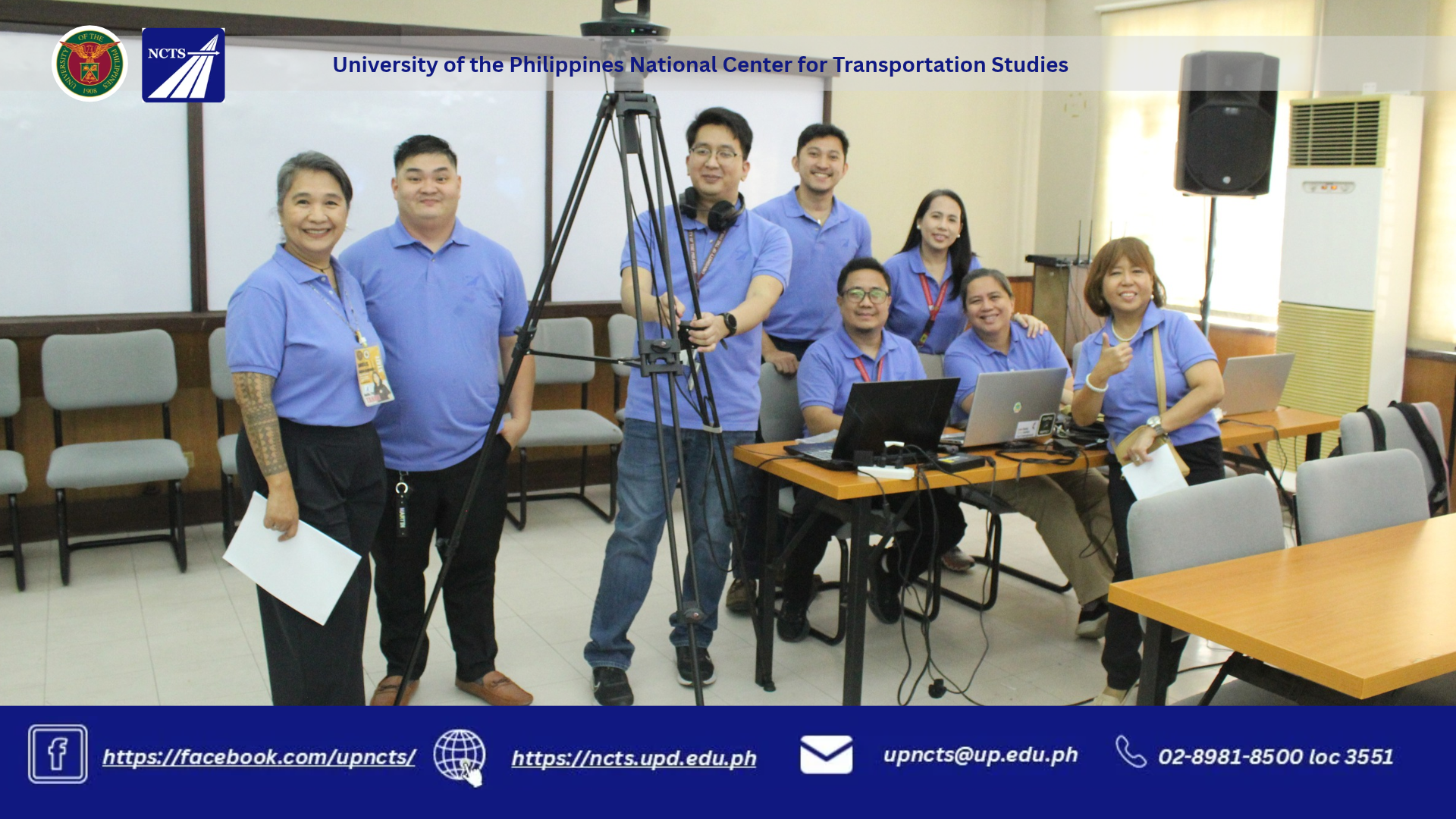
Private-sector participants, students, interns, and NCTS personnel also joined the celebration.
In addition to the on-site attendees, virtual participants also joined the event via Zoom, extending the reach of the public lecture and panel discussion to a broader audience.
Continuing the Commitment to Research, Innovation, and Public Service
The program concluded with closing remarks from Dr. Jose Regin F. Regidor, Director of the UP Diliman Institute of Civil Engineering.
As UP NCTS marks 33 years of service, the celebration highlighted the Center’s continuing role in nurturing interdisciplinary research, knowledge exchange, institutional partnerships, and evidence-based approaches to addressing transportation challenges.
The public lecture and panel discussion also reinforced the relevance of integrating emerging technologies with sound research, effective policies, and collaborative institutional efforts in shaping the future of Philippine logistics.
Through its continuing commitment to research, education, capacity development, and public service, UP NCTS remains dedicated to advancing innovative and sustainable transportation solutions for the Philippines.