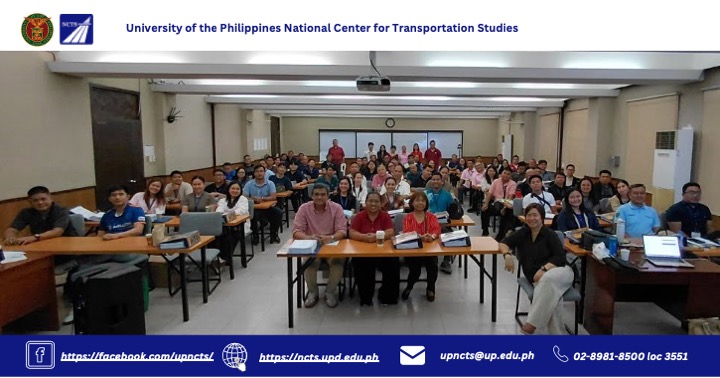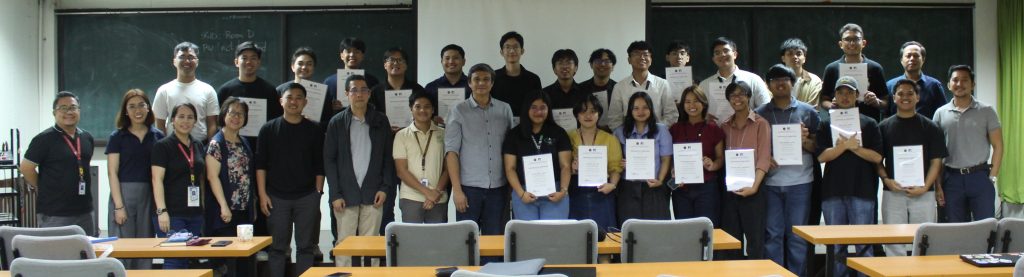
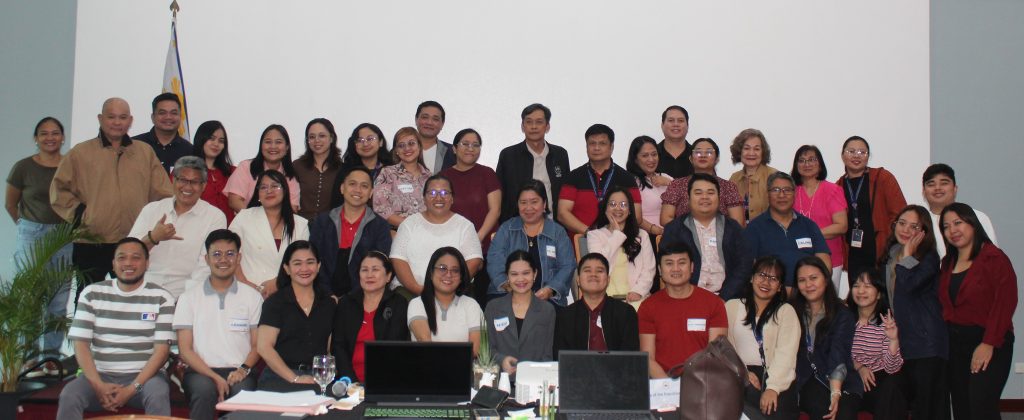
The University of the Philippines National Center for Transportation Studies (UP NCTS) facilitated the 2026 Cluster Preparatory Workshop for Strategic Planning of the Office of Transportation Cooperatives (OTC), under the leadership of Chairman Atty. Teofilo E. Guadiz III, CESO V.
The workshop was conducted to support OTC in strengthening its strategic framework by systematically reviewing and aligning its mission, vision, and core functions with emerging challenges and developments affecting transportation cooperatives nationwide.
The initial sessions focused on a structured review of OTC’s existing vision and mission statements to assess their relevance, clarity, and consistency with the agency’s statutory mandate. This was complemented by a per-division functional mapping exercise, wherein each division documented its current functions and mapped them against the agency’s stated mission and vision to evaluate the level of institutional alignment and identify overlaps, gaps, and inconsistencies.
A gap analysis was subsequently undertaken to determine areas requiring refinement in OTC’s strategic direction. Facilitated technical discussions enabled participants to formulate recommendations for enhancing the mission and vision statements to better respond to evolving operational, institutional, and sectoral issues confronting transportation cooperatives.
Gender and Development (GAD) considerations were systematically integrated into the workshop methodology to ensure that OTC’s strategic framework remains inclusive, gender-responsive, and sensitive to the diverse needs of its stakeholders, while maintaining coherence with its core mandates and service delivery objectives.
These activities established the analytical foundation for the succeeding phases of the strategic planning process, which aim to further strengthen organizational coherence, improve inter-divisional coordination, and enhance institutional capacity for effective service delivery.