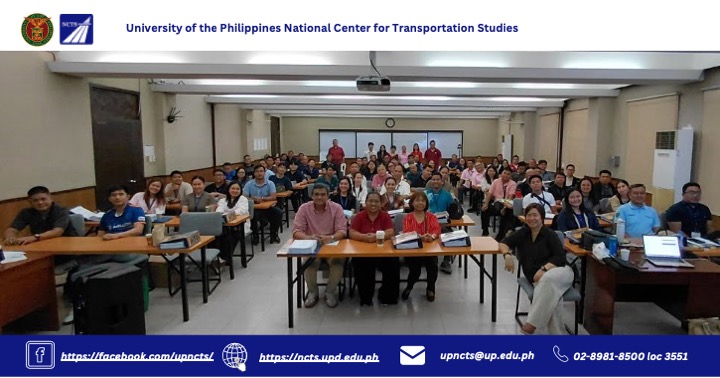
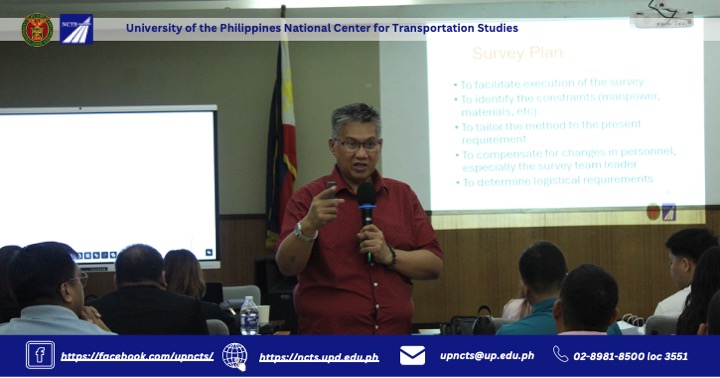
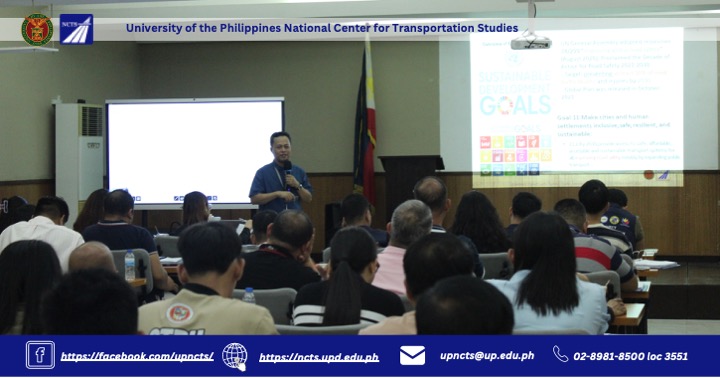
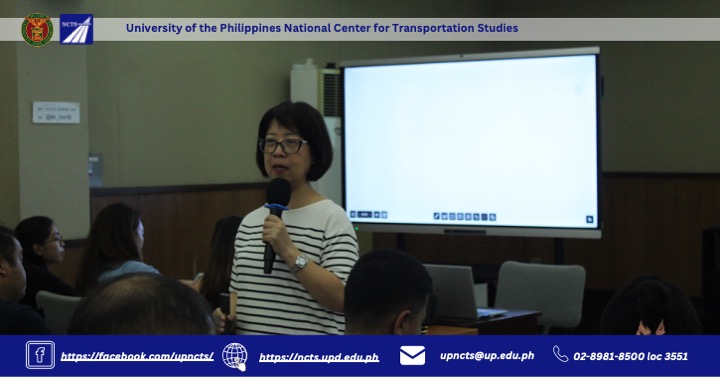
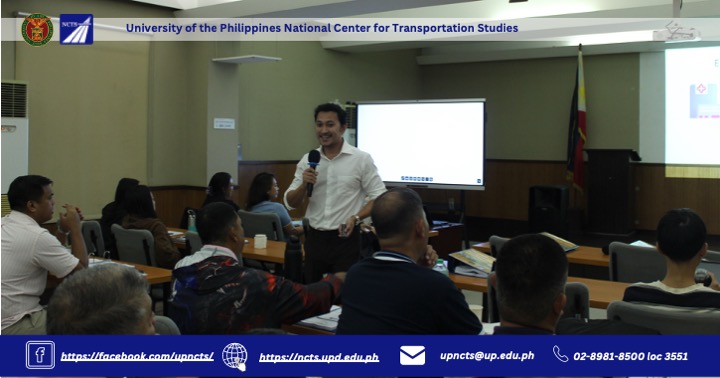
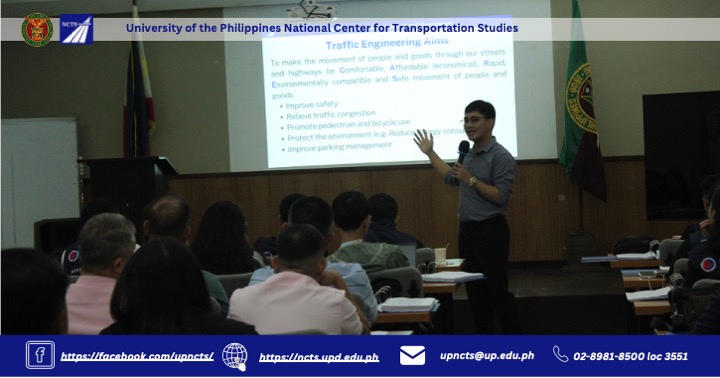
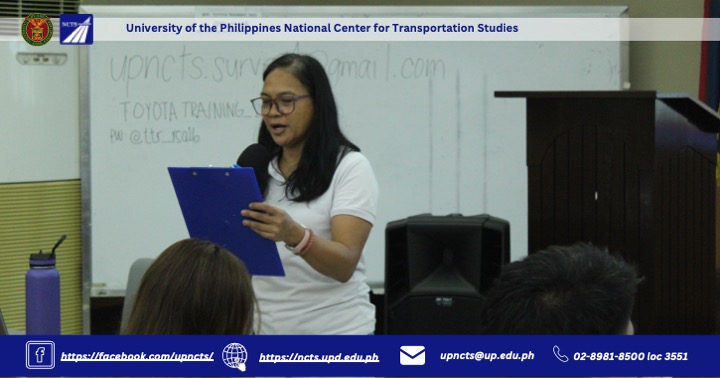
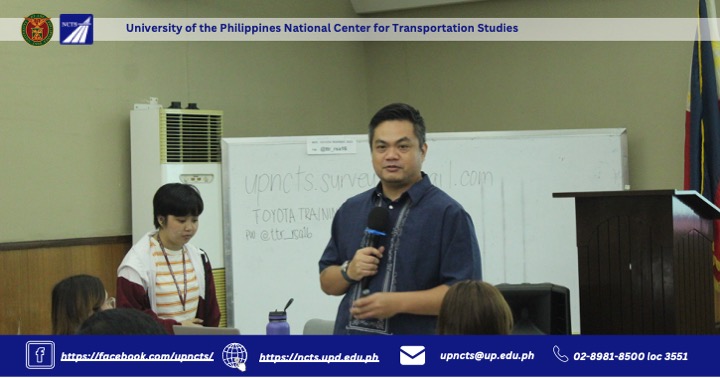
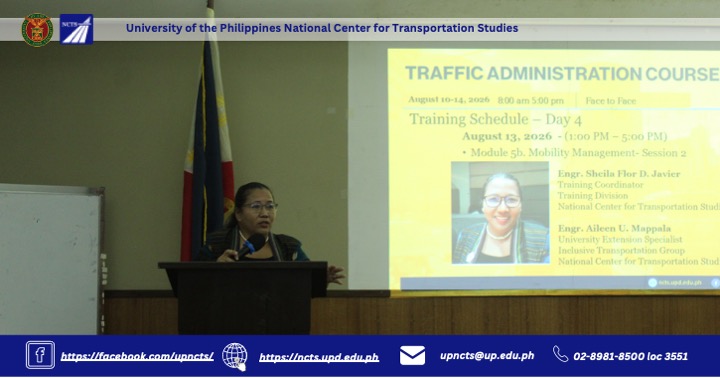
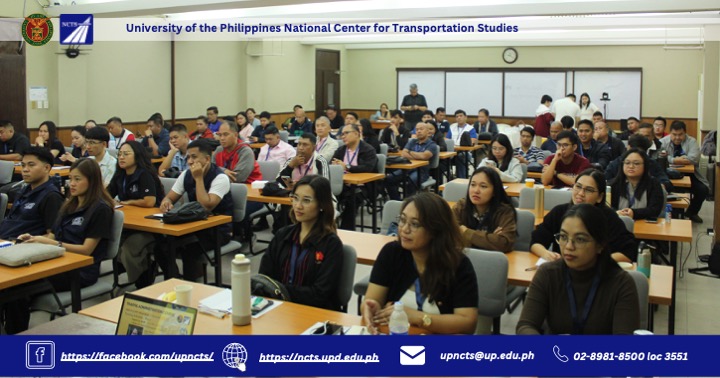
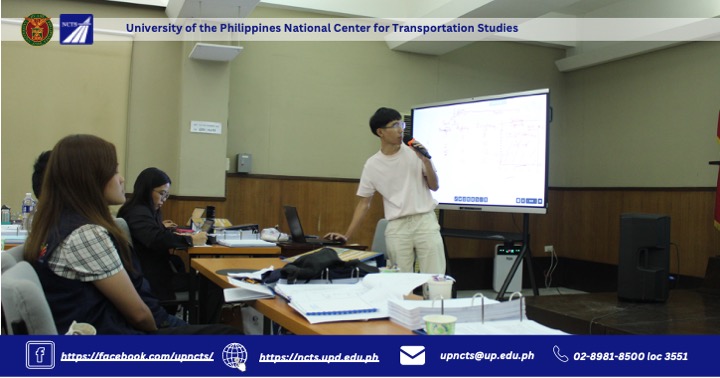
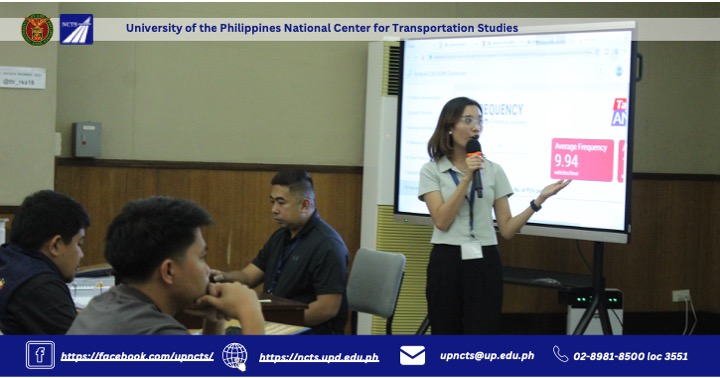
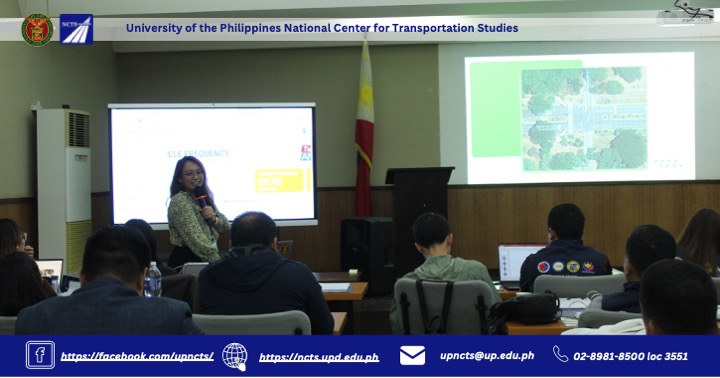
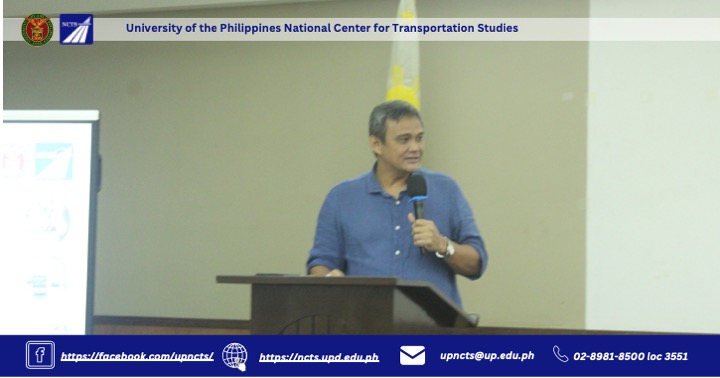
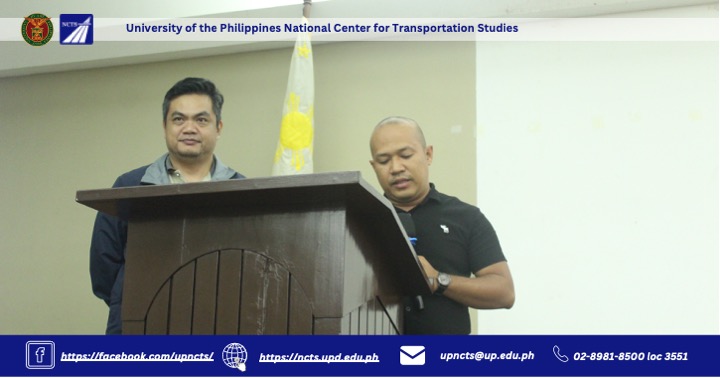
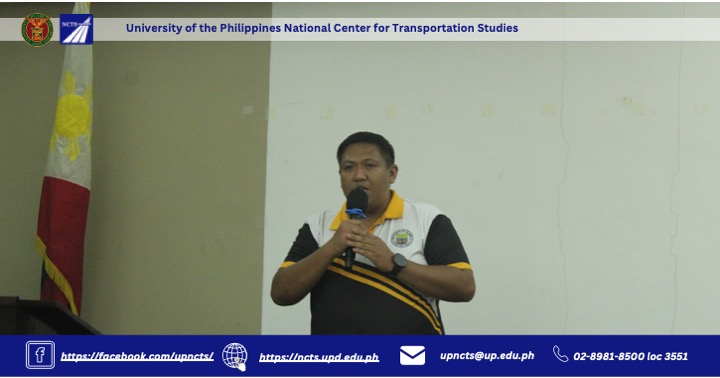
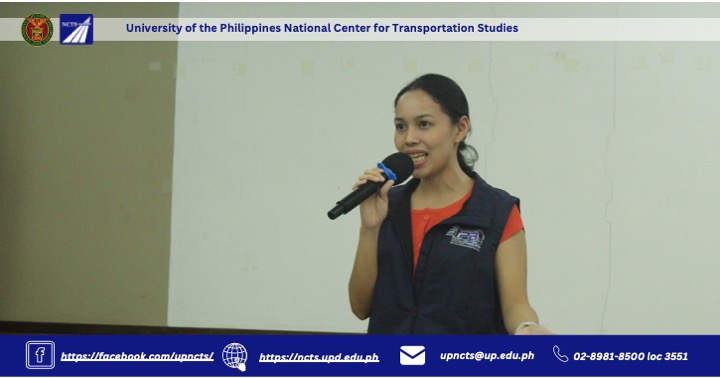
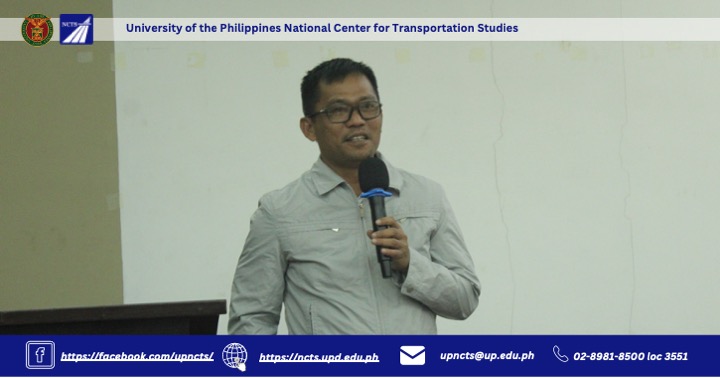
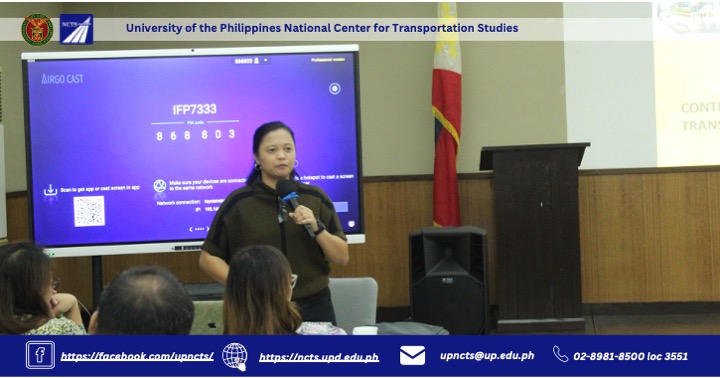
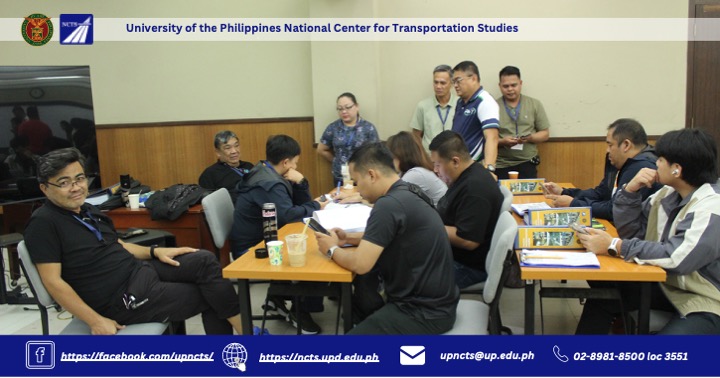
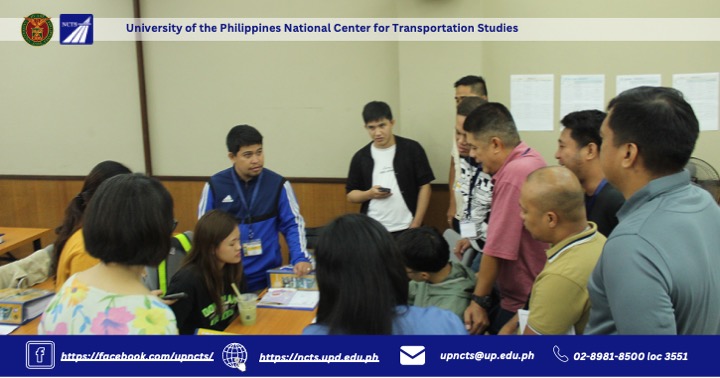
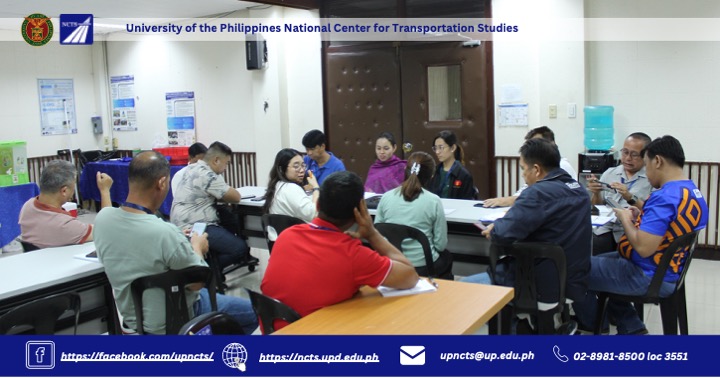
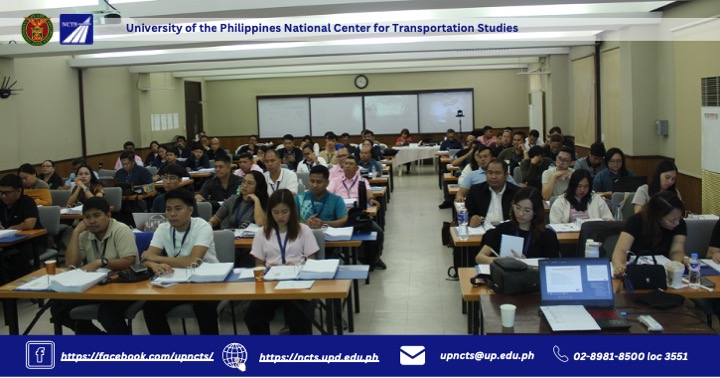
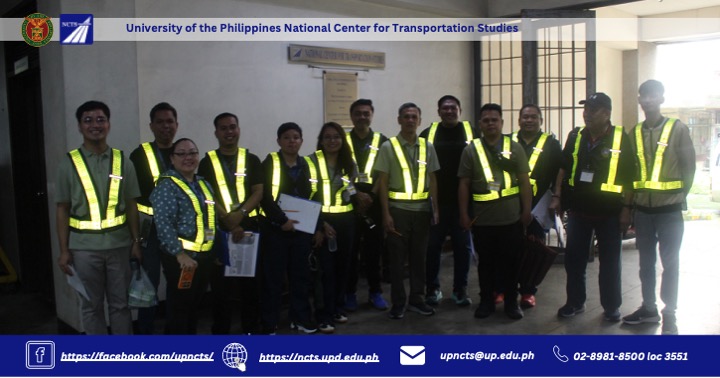
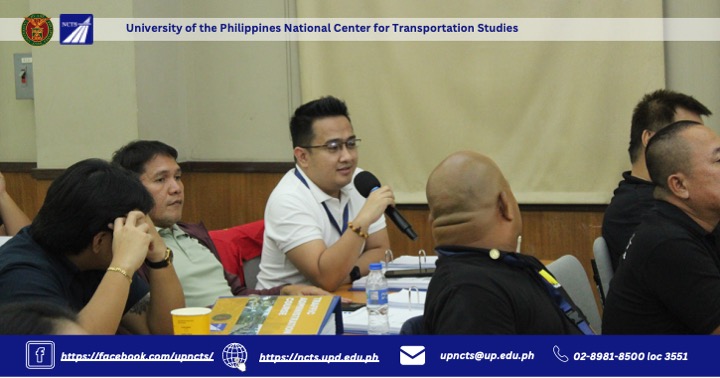
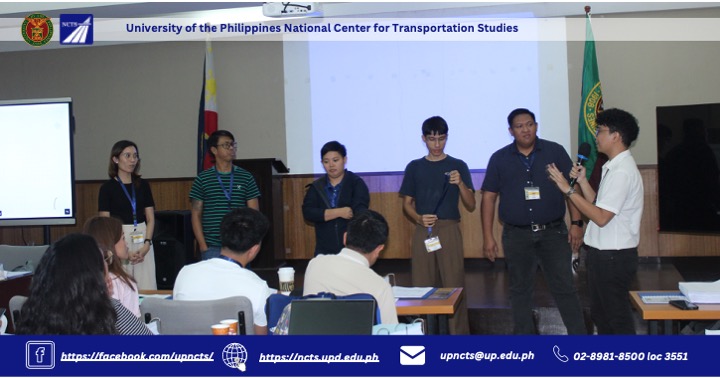
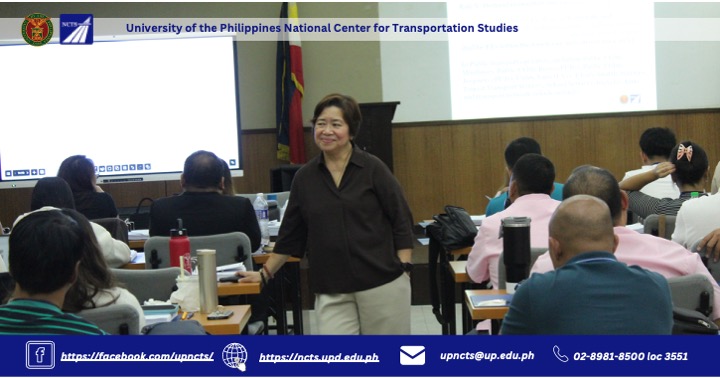
Seventy transport and traffic practitioners from across the country gathered at the UP National Center for Transportation Studies (UP NCTS) for the Traffic Administration Course (TAC) held from August 10 to 14, 2026 at the UP NCTS Toyota Training Room in UP Diliman, Quezon City.
The five day course brought together participants from national and local government agencies, private organizations, and academic institutions. The diversity of participants created a valuable learning environment where experiences from different cities, sectors, and professional backgrounds could be shared.
Participants came from Cebu, Davao, Cagayan de Oro, Pasay City, Isabela, Baybay, Zamboanga, Alaminos in Pangasinan, San Juan City, Mandaue City, Laoag City, Surigao City, Bacolod City, San Francisco in Agusan, Laguna, and other parts of the country. Organizations represented included the Metropolitan Manila Development Authority, Clark Development Corporation, Department of Information and Communications Technology, Bases Conversion and Development Authority, LTFRB Region VIII, Mapua University, Arellano University, 515Life Construction Services, Metro Pacific South, Aboitiz Construction, and Metro East Technology Resources, Inc.
More than a classroom based training, the Traffic Administration Course focused on translating transport concepts into practical approaches that participants can apply in their respective workplaces and communities.
The course covered key topics in transportation planning, mobility management, traffic engineering and management, traffic impact assessment, road safety programs, transport institutional frameworks, and public transport planning. Participants were also introduced to the important role of data and evidence in understanding transport problems and developing appropriate interventions.
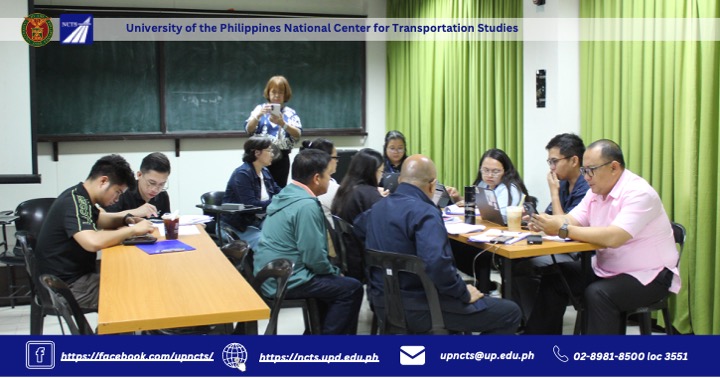
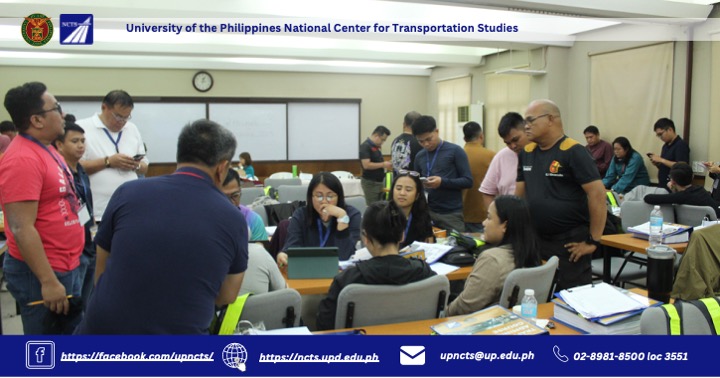
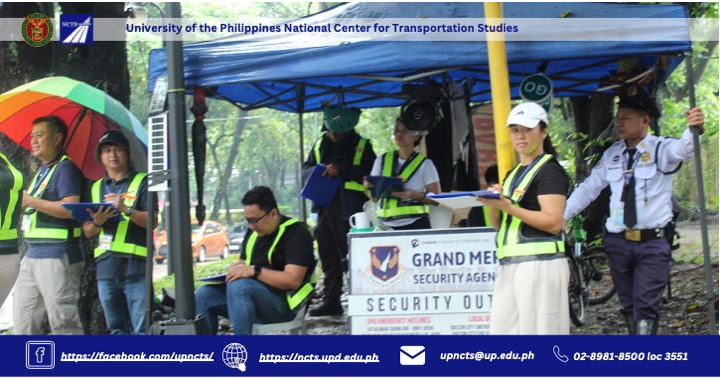
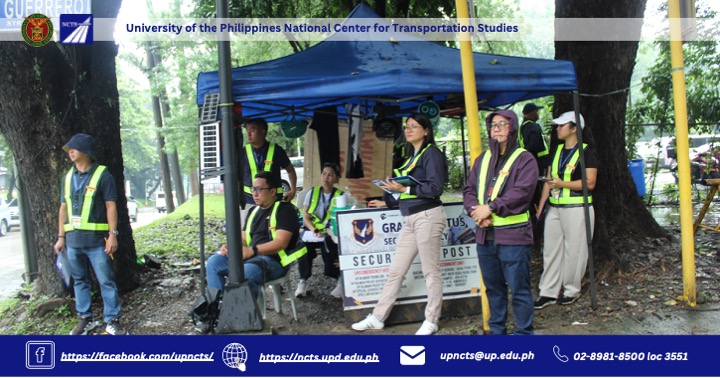
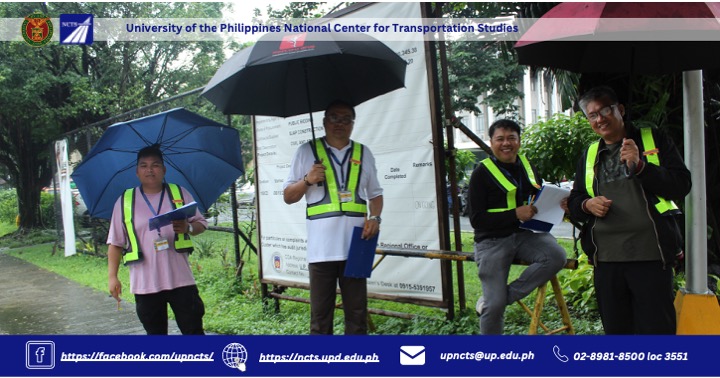
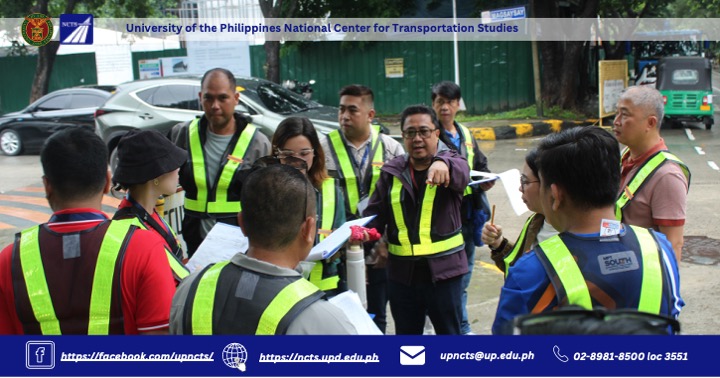
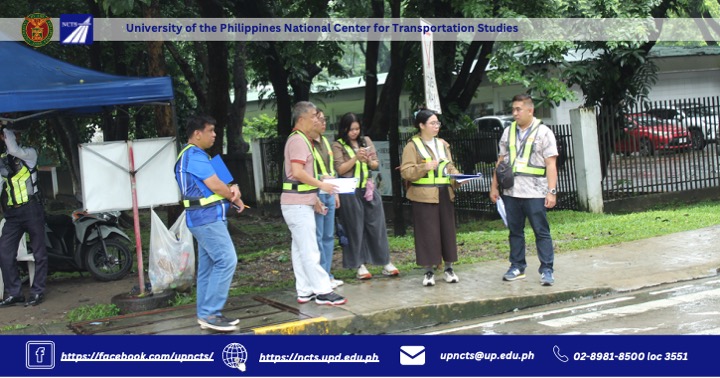
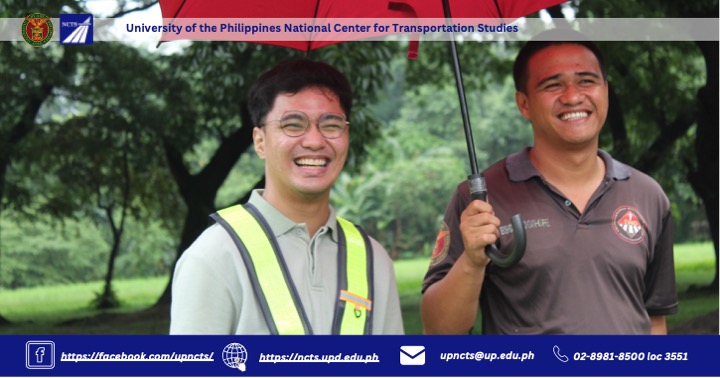
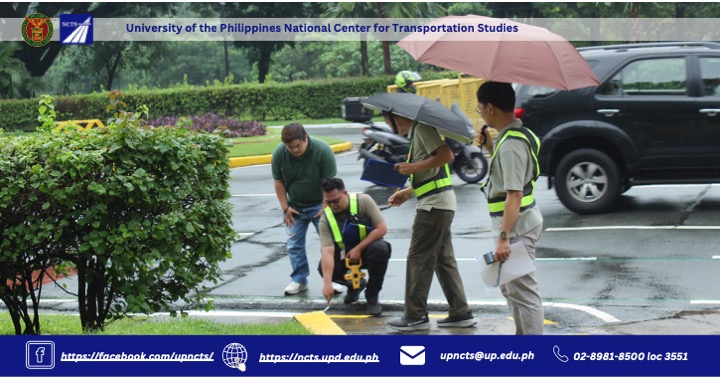
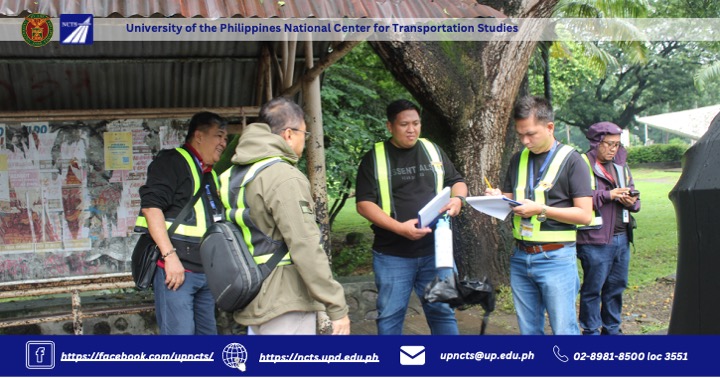
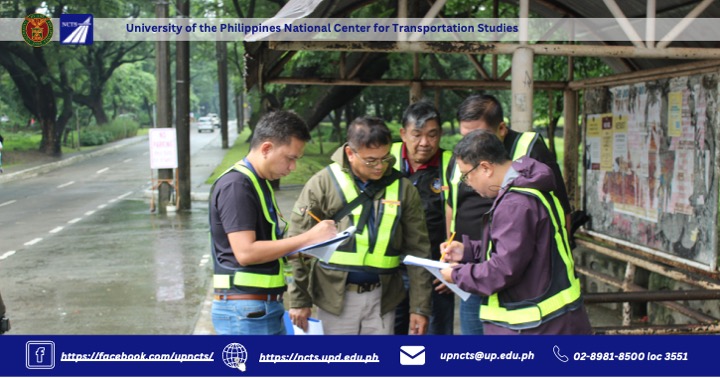
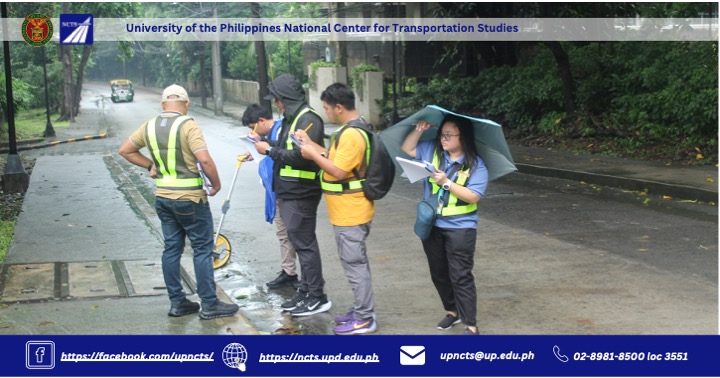
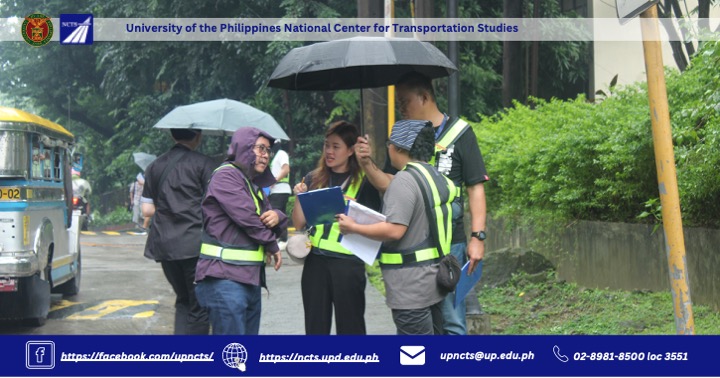
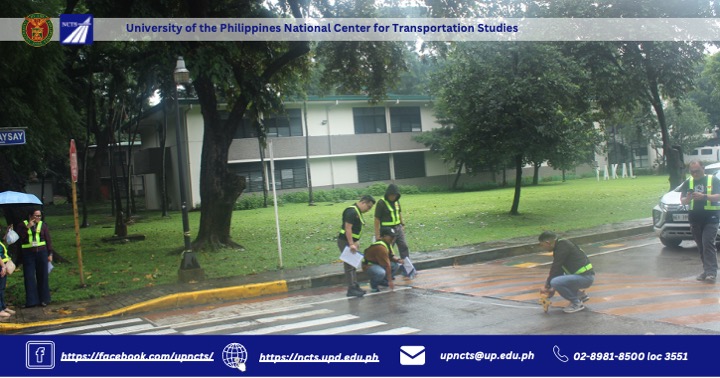
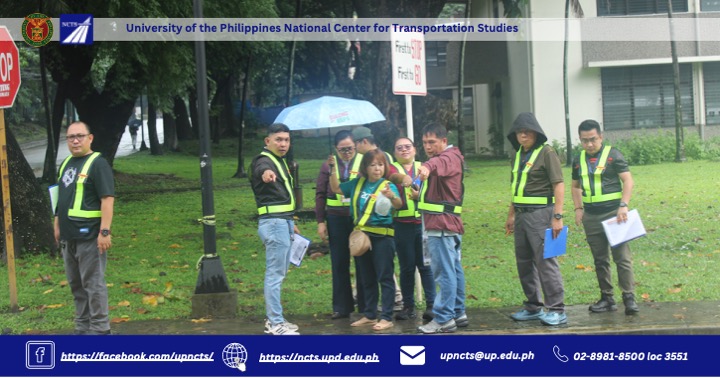
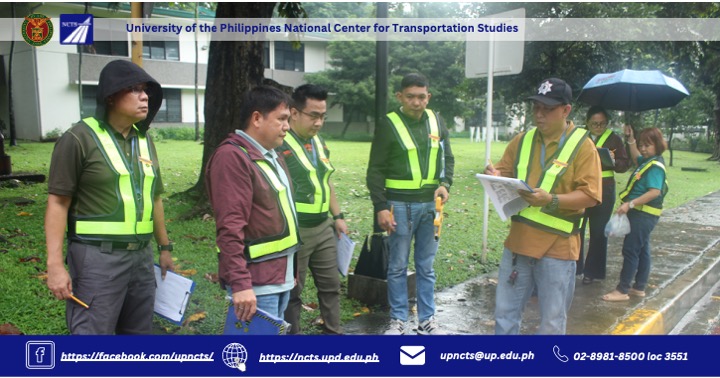
Throughout the week, participants took part in transportation and traffic survey activities, as well as workshops on mobility management, social marketing, and public transportation planning. These practical exercises allowed them to examine transport issues from different perspectives and apply the principles discussed during the lectures.
Despite challenging weather conditions during the training week, participants remained actively engaged in the sessions, group discussions, exercises, and workshops. The course also provided an opportunity for practitioners from different parts of the country to exchange experiences, learn from one another, and build professional networks that can support future transport initiatives.
Serving as resource persons were Dr. Ma. Sheilah G. Napalang, Dr. Sandy Mae Gaspay, Engr. Sheila Flor D. Javier, Engr. Aileen U. Mappala, EnP. Jerome N. Ballarta, Mr. Sahid A. Kamid, EnP. Geoel Anthony Y. Esguerra, Engr. Paul Anthony Prieto, Engr. Julshabar U. Halil, and Mr. Glenn Simon Latonero.
The diversity of the participants highlighted one of the course’s key messages. Improving mobility requires more than technical solutions. It calls for collaboration among planners, engineers, traffic managers, policymakers, enforcement personnel, the private sector, and the academe.
Through the Traffic Administration Course, UP NCTS continues to bridge transport knowledge and practice by equipping professionals with the tools, perspectives, and practical skills needed to improve traffic operations, strengthen road safety, enhance public transport, and support more efficient and sustainable mobility in Philippine communities.